Formed and Stamped Structures
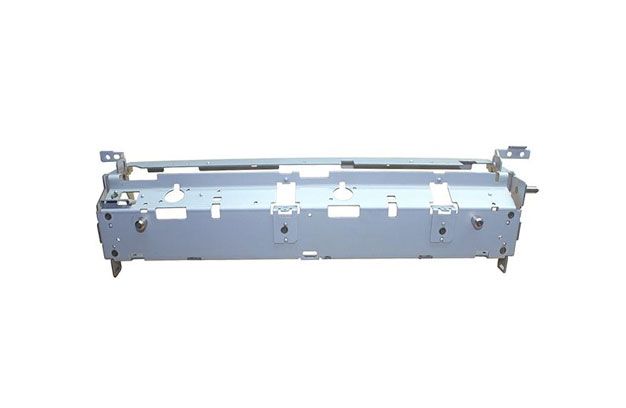
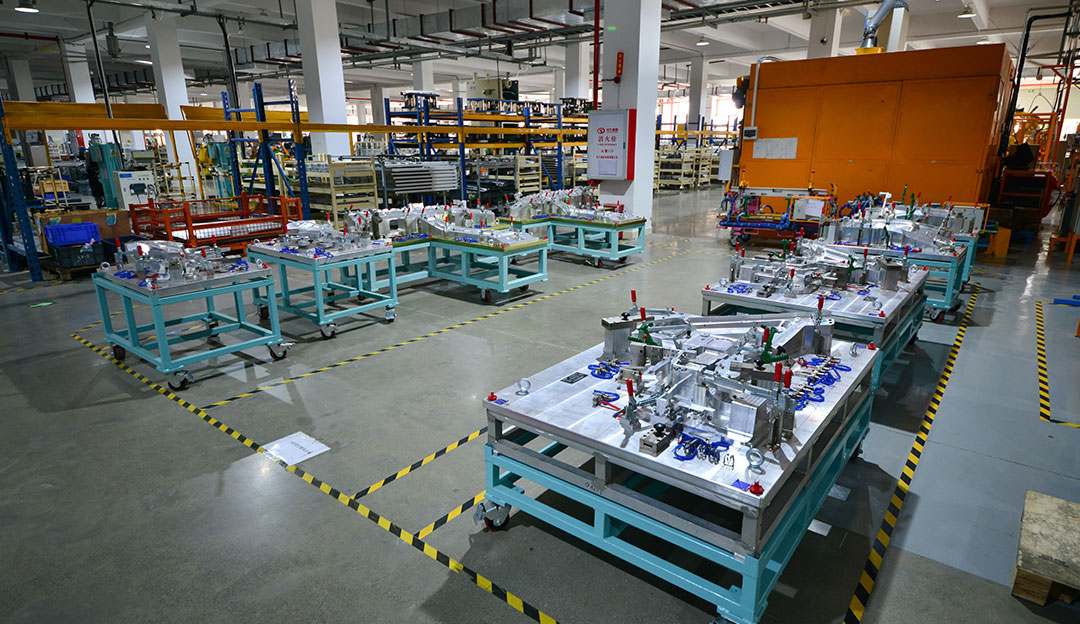
Stamping, forming, bending, and sheet-metal fabrication establish the tray geometry, covers, panels, brackets, and structural enclosure features.
Energy Storage & Electrification / Battery Enclosures & Trays
Sheet-metal trays, enclosure structures, brackets, panels, weldments, and mounting hardware for battery and electrification production programs.
Manufacturing Strength
Battery trays and enclosure hardware have to hold geometry, mounting interfaces, material behavior, joining, finish requirements, and assembly repeatability together. Lucky Harvest supports the formed, stamped, welded, and assembled metal structures that turn enclosure drawings into production-ready hardware.
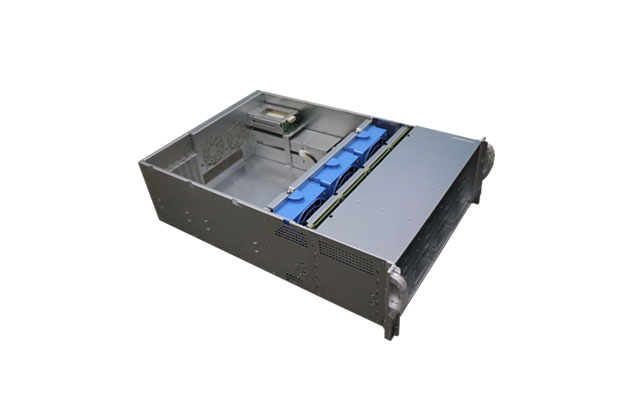
Stamping, forming, bending, and sheet-metal fabrication establish the tray geometry, covers, panels, brackets, and structural enclosure features.
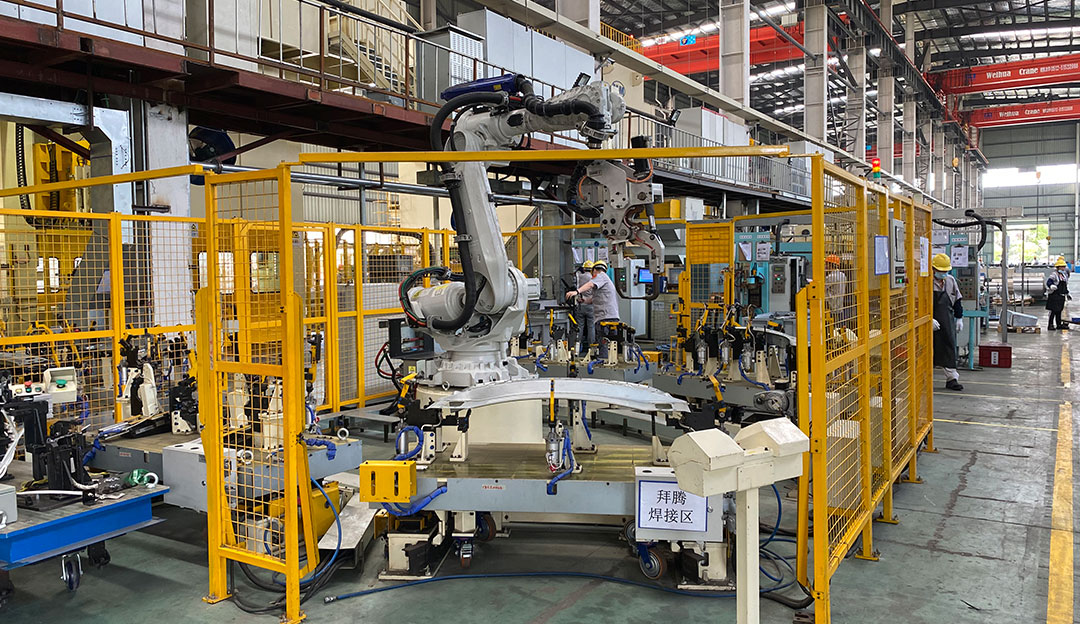
Welded frames, brackets, supports, and tray assemblies depend on fixture discipline, joining sequence, clean interfaces, and stable assembly planning.
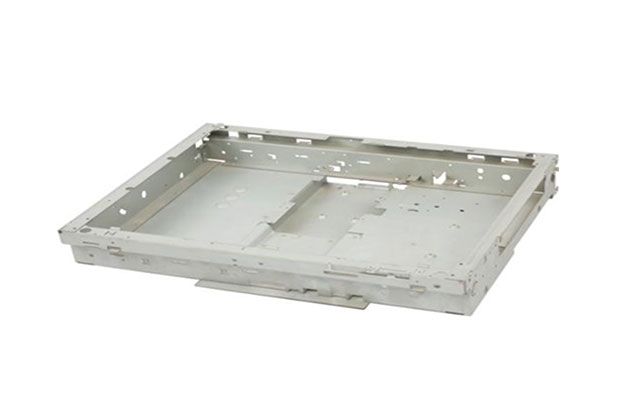
Mounting points, pack envelopes, module interfaces, fastening locations, and surrounding structures need consistent geometry and controlled fit.
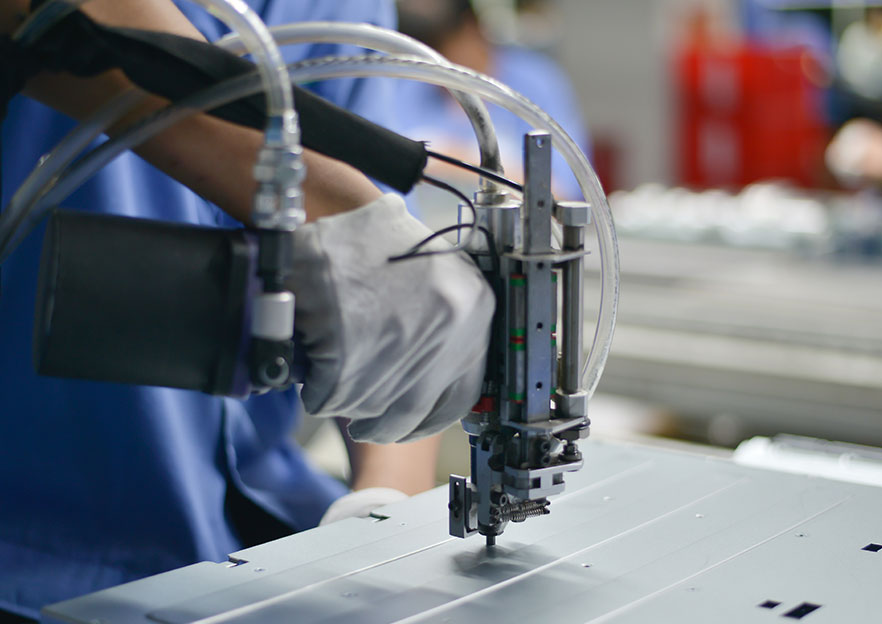
Coating-ready surfaces, inspection feedback, and production controls help keep enclosure hardware consistent across recurring builds.
What This Includes
Battery and electrification platforms rely on metal enclosure hardware to provide structure, support mounting, manage interfaces, and keep assembly behavior repeatable.
Tray structures, floors, side members, cross members, and formed metal hardware for battery system packaging.
Box-style structures, covers, panels, shields, and housing components for battery and electrification applications.
Recurring brackets, supports, reinforcement parts, and attachment features that connect battery hardware to larger assemblies.
Welded or assembled metal structures where geometry, joining sequence, and production control have to work together.
Typical RFQ Inputs
Share 2D drawings, 3D files, pack or module envelope, mounting layout, and key interface geometry.
Identify material grade, thickness, structural expectations, formed features, and part-family variations.
Note welding, fastening, sealing, joining, bracket, insert, and assembly assumptions where relevant.
Include coating, corrosion, appearance, insulation, grounding, handling, or surface expectations where applicable.
Provide target timing, estimated volume, inspection expectations, documentation needs, and qualification requirements.
Next Step
Send drawings, materials, interface requirements, joining assumptions, finish expectations, timing, and quality needs so the team can identify the right manufacturing path.