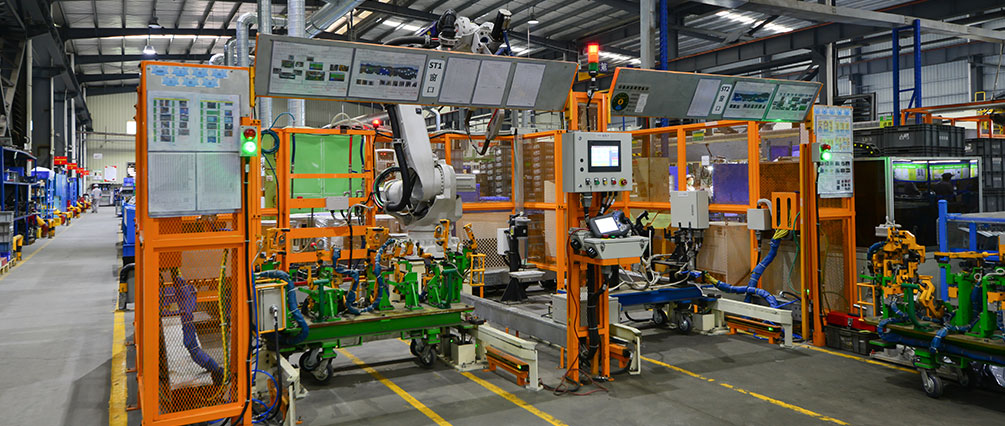
Requirements and Drawing Review
Map drawings, materials, tolerance expectations, CTQs, timing, sample needs, and commercial scope into the first manufacturability questions.
Industrialization
Lucky Harvest connects drawings, requirements, manufacturability review, process planning, sample feedback, quality expectations, and launch preparation into a practical production path.
Industrialization Path
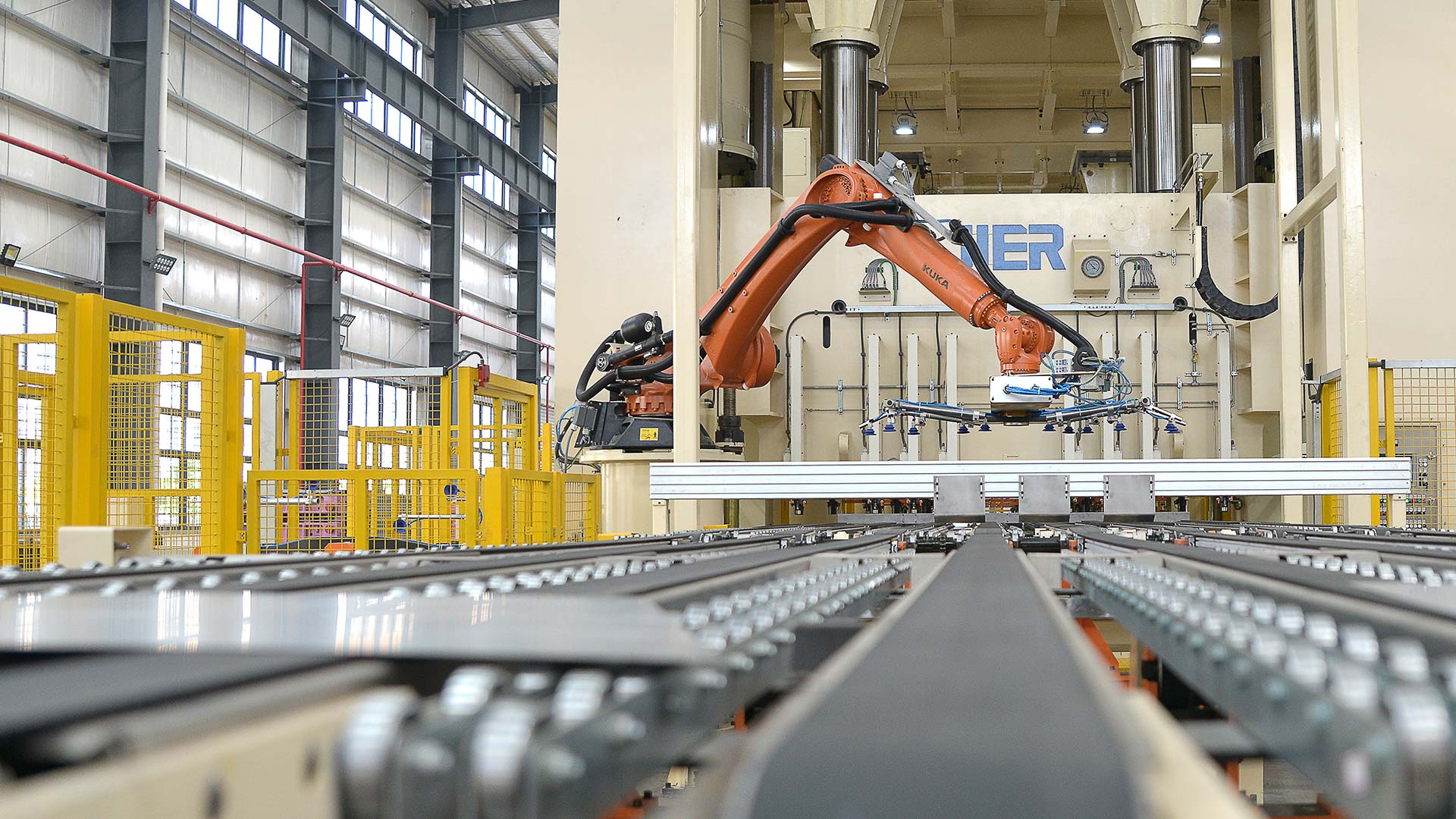
Industrialization turns early requirements into a manufacturing path that can be discussed, sampled, checked, adjusted, and handed off for launch. The work ties together part intent, process route, tooling assumptions, production equipment, inspection planning, and program timing before ramp risk accumulates.
Workstreams
Industrialization brings RFQ inputs, engineering review, manufacturing planning, quality expectations, and launch preparation into one practical path. Tooling-specific decisions move deeper on the Tooling Ecosystem page.
Map drawings, materials, tolerance expectations, CTQs, timing, sample needs, and commercial scope into the first manufacturability questions.
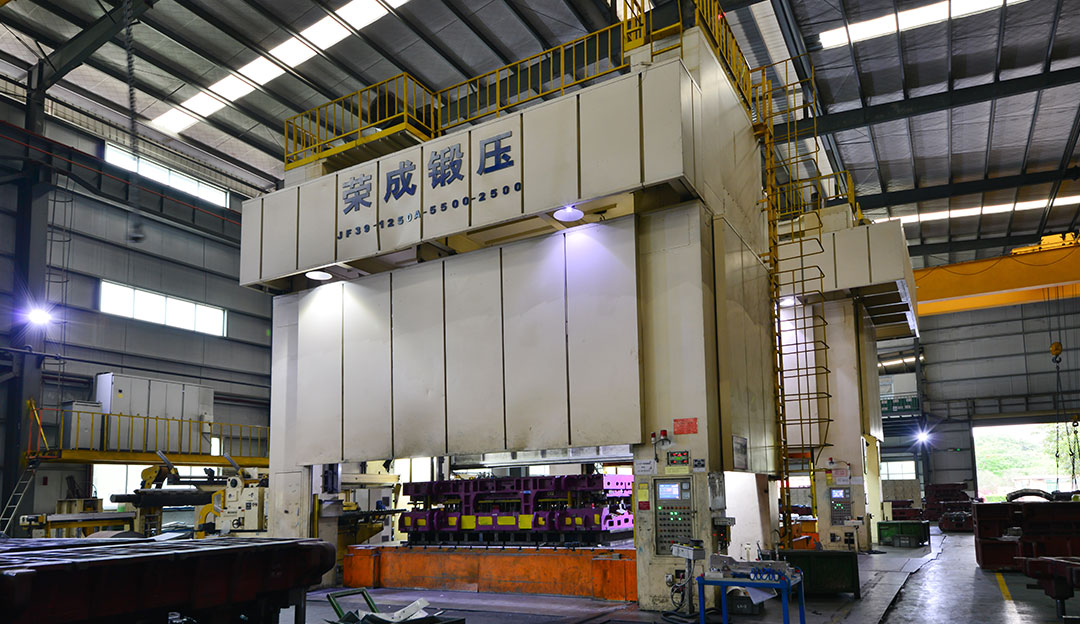
Align engineering, quality, and production assumptions before the program moves deeper into tooling, forming, joining, or assembly planning.
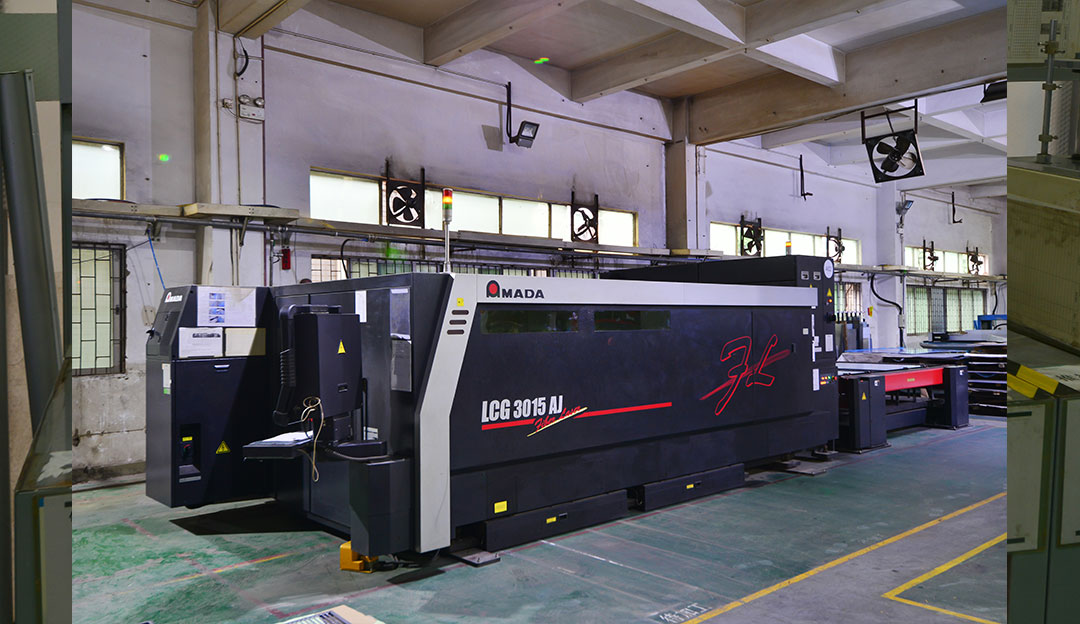
Plan how tooling, stamping, forming, welding, CNC or machining resources, sheet metal, assembly, and inspection connect to the component path.
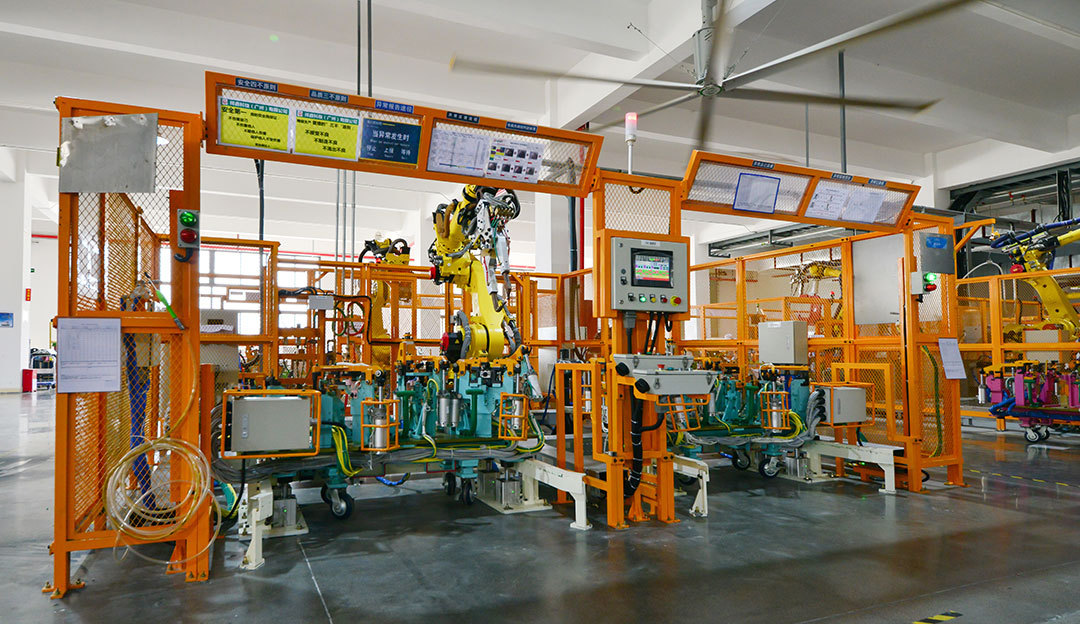
Coordinate early builds, fixture needs, measurement expectations, feedback loops, and open technical items before production handoff.
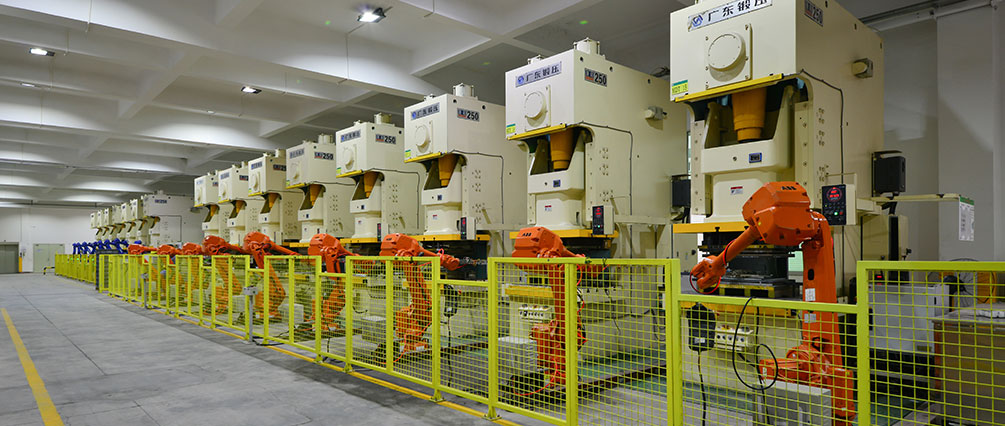
Prepare the handoff into repeatable production by checking drawings, process assumptions, quality expectations, timing, and program requirements.
Connected Manufacturing
Industrialization is where separate capability conversations become one program path, with each detailed capability tied back to the drawing package.
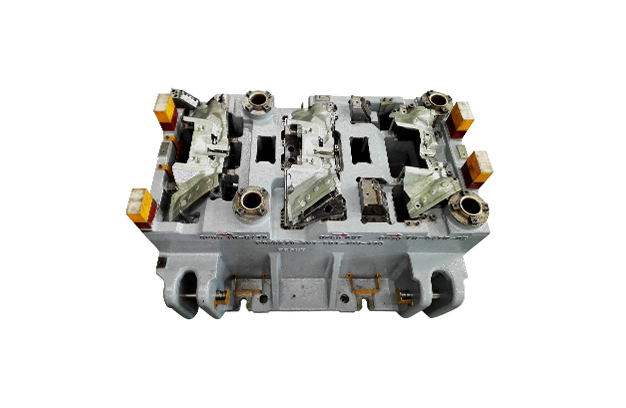
For detailed tooling scope, review the path for DFM, tooling approach, die and fixture planning, tryout feedback, and launch handoff.
View Tooling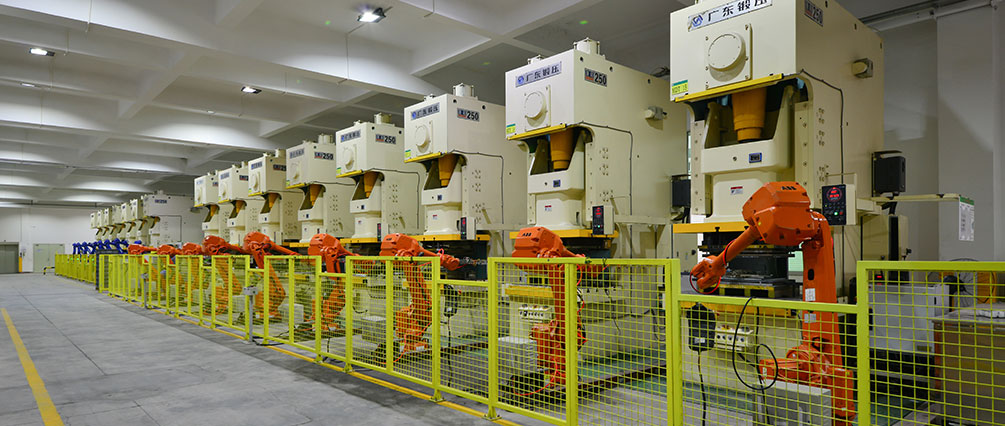
Map formed and stamped component needs against material, geometry, tooling assumptions, part handling, and production requirements.
View Stamping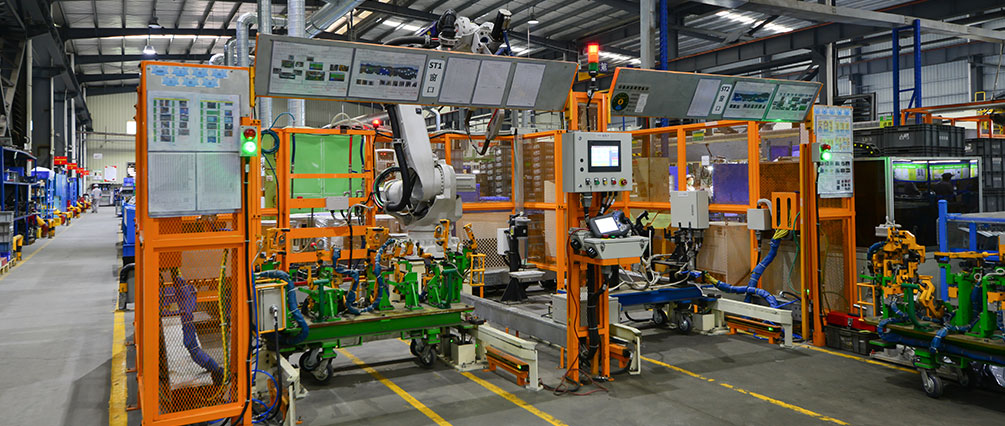
Coordinate joining, fixture, interface, and assembly assumptions for multi-part structures and repeated production programs.
View Assembly
Review cutting, forming, machining, enclosure, panel, frame, bracket, and hardware needs when the program extends beyond stamped parts.
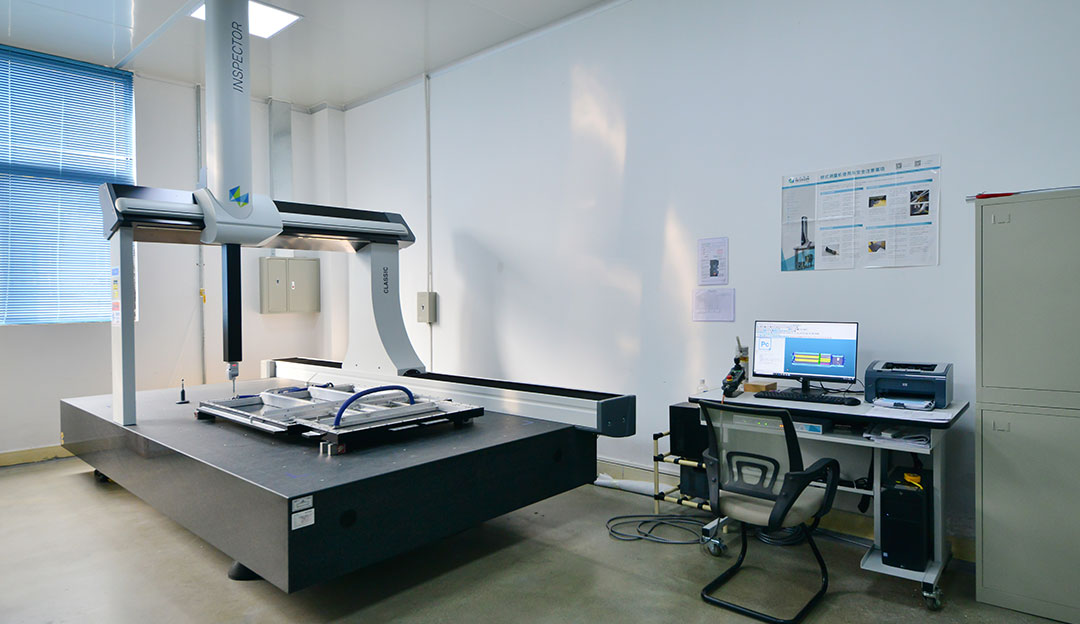
View Sheet MetalConnect inspection planning, dimensional checks, material or process review, sample feedback, and production follow-up to the requirements that matter for launch.
View QualityProgram Sequence
Review drawings, specifications, materials, tolerances, timing, target volumes, and known production assumptions.
Align part intent, application context, forming or joining questions, inspection expectations, and open technical risks.
Map the work across tooling, stamping, welding, CNC or machining, sheet metal, assembly, and validation as the program requires.
Use sample builds, measurement feedback, issue tracking, and technical updates to refine the production path before ramp.
Prepare the handoff into production follow-up with scope, quality expectations, timing, and remaining open items clearly aligned.
Program Value
Manufacturability questions are surfaced while the program still has room to adjust geometry, scope, route, or expectations.
Engineering, production, quality, and commercial teams work from a shared view of the required manufacturing path.
Sample review, inspection feedback, and issue tracking help convert early findings into defined follow-up actions.
Launch preparation connects program assumptions, quality expectations, manufacturing resources, and production follow-up needs.
Next Step
Share drawings, specifications, material requirements, tolerance expectations, timing, target volumes, and known production assumptions so Lucky Harvest can review the right path from RFQ to launch preparation.