Body, Chassis, and Structural Components
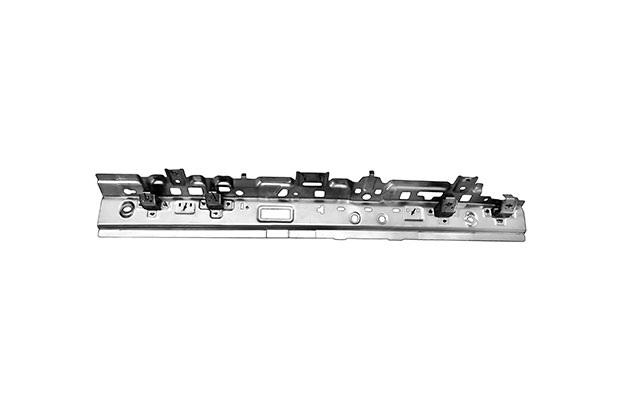
Stamped, formed, welded, and assembled metal structures such as brackets, reinforcements, panels, rails, cross-members, and related body or chassis hardware.
Discuss Body StructuresAutomotive Parts Systems
Match drawings, materials, interfaces, joining needs, tolerances, validation expectations, and launch timing to the right component-family discussion.
Component Families
Lucky Harvest reviews automotive metal structural parts by component family so your team can connect drawings, materials, validation needs, launch timing, and production requirements to the right manufacturing path.
Stamped, formed, welded, and assembled metal structures such as brackets, reinforcements, panels, rails, cross-members, and related body or chassis hardware.
Discuss Body Structures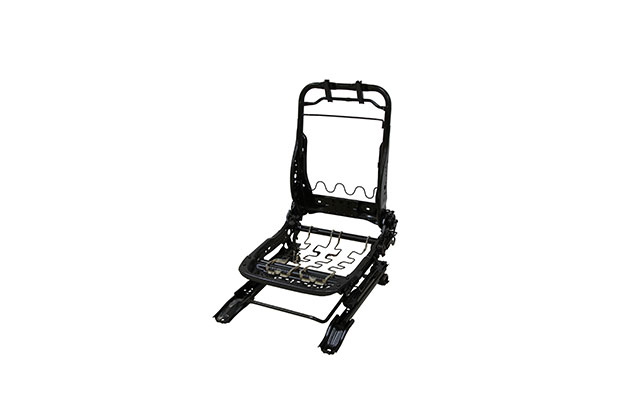
Seat frames, seat rails, brackets, supports, and related structural metal components where scope is defined by drawings and assembly requirements.
Discuss Seating Hardware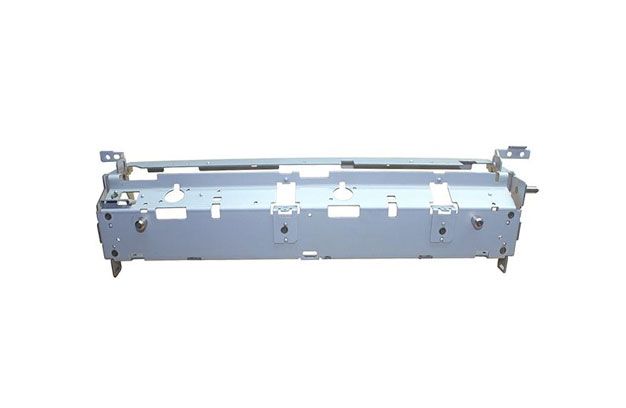
Battery trays, battery enclosure structures, covers, inverter-related structures, and thermal-adjacent mechanical components at the component or assembly layer.
Discuss EV StructuresManufacturing Support
Automotive part programs often require practical review of auto body lightweighting goals, material selection, forming path, connection technology, fixture needs, inspection expectations, and assembly sequence. Those inputs help align engineering assumptions with the manufacturing path before sourcing decisions move too far downstream.
Tooling to Production
Automotive parts programs move through a practical path: review the part family, align the process, prepare precision stamping tools or fixtures, verify early output, and support production readiness.
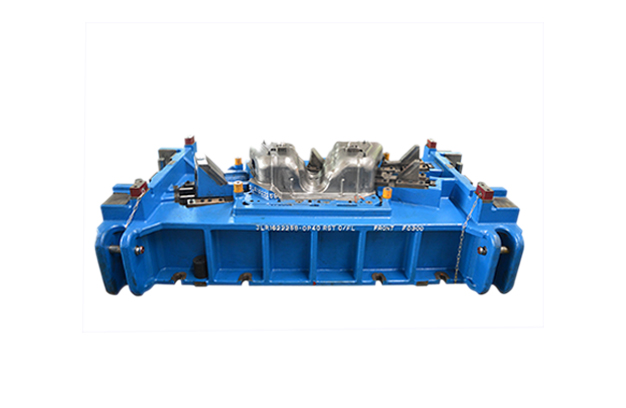
DFM review, tooling approach, tryout support, and production-readiness work translate component requirements into a manufacturable path.
Explore Tooling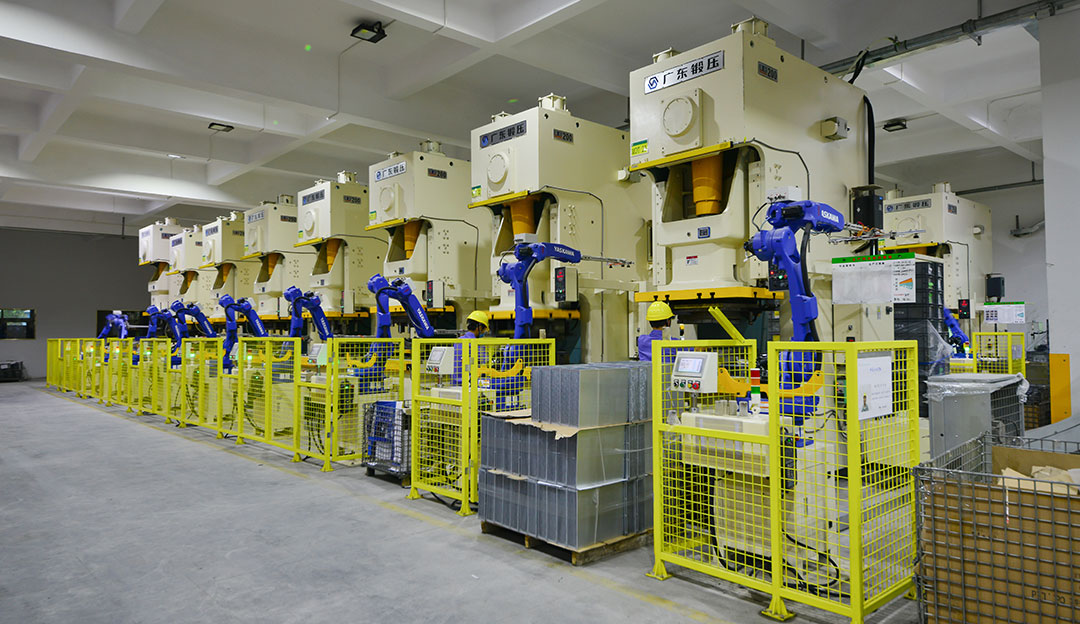
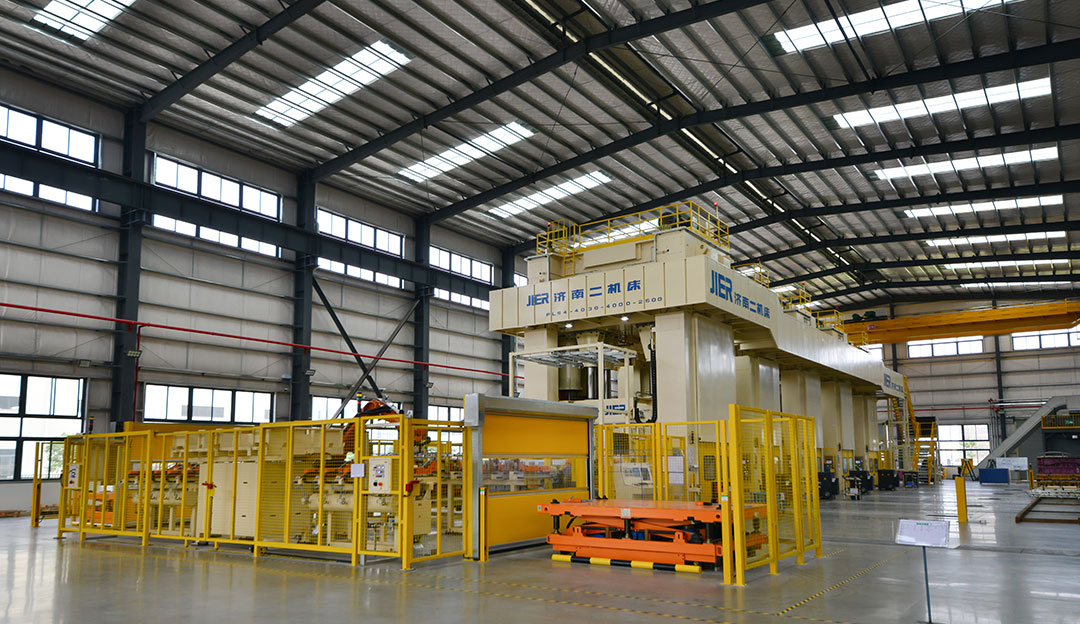
Stamped and formed automotive components depend on controlled geometry, material grade, thickness planning, tooling discipline, part handling, and production-ready process choices.
View Stamping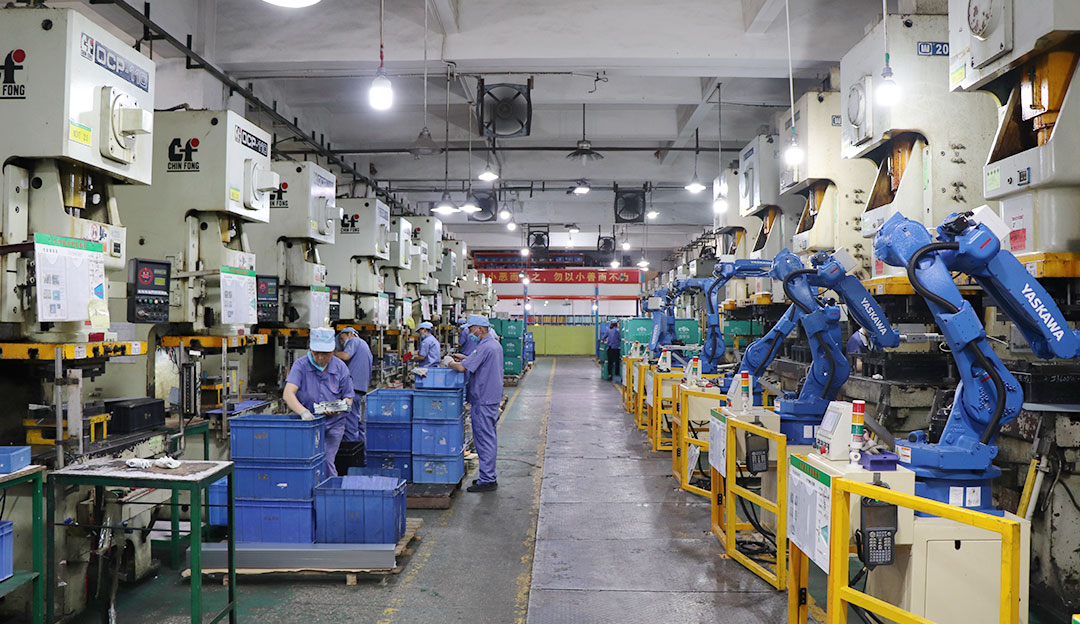
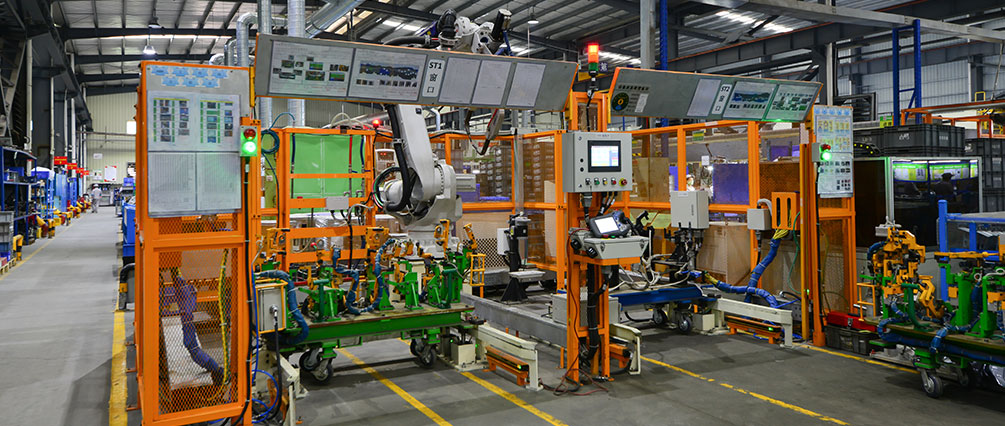
Joining and mechanical assembly planning can support frames, brackets, reinforcements, enclosures, and other multi-part metal structural parts.
View Assembly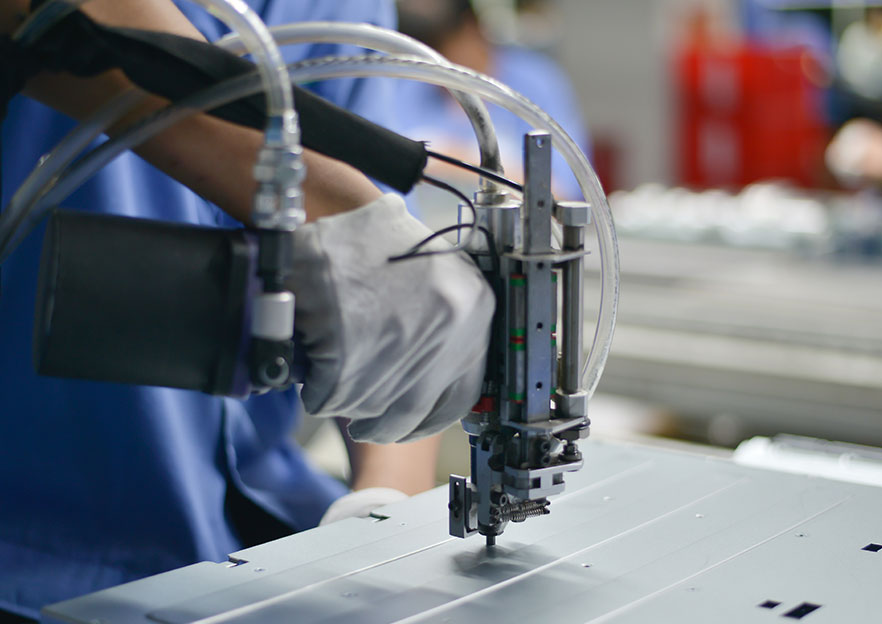
Inspection planning, dimensional checkpoints, material and process checks, and production feedback support qualification and launch preparation.
View QualityRFQ Inputs
Share available drawings, part family context, interfaces, tolerance expectations, mounting points, and known quality characteristics.
Provide material grade, thickness, surface expectations, forming assumptions, joining assumptions, and any known assembly constraints.
Identify target volume, launch timing, production assumptions, sample needs, and the stage of the program so review can focus on the right risks.
Outline inspection, sample review, testing expectations, documentation needs, and any customer-specific quality requirements.
Share localization or regional support goals so the team can review routing options without assuming every part is available from every location.
RFQ Starting Points
Start here for brackets, reinforcements, panels, rails, cross-members, and related formed, stamped, reinforced, or welded hardware.
Start here for seat frames, seat rails, brackets, supports, and related metal structures defined by customer drawings.
Start here for trays, covers, enclosure structures, inverter-related structures, and mechanical thermal-adjacent components.
Start here when tooling, stamping, forming, welding, assembly, inspection, and launch-preparation questions all shape the manufacturing path.
Next Step
Share drawings, material requirements, target volumes, validation expectations, timing, and regional supply goals so Lucky Harvest can review the right manufacturing path.