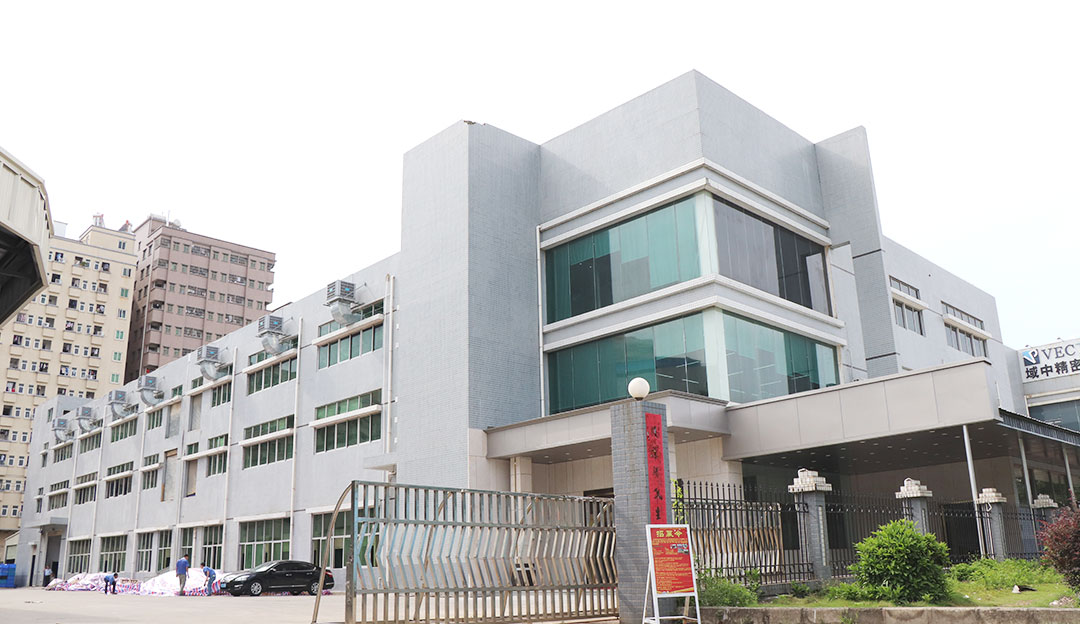
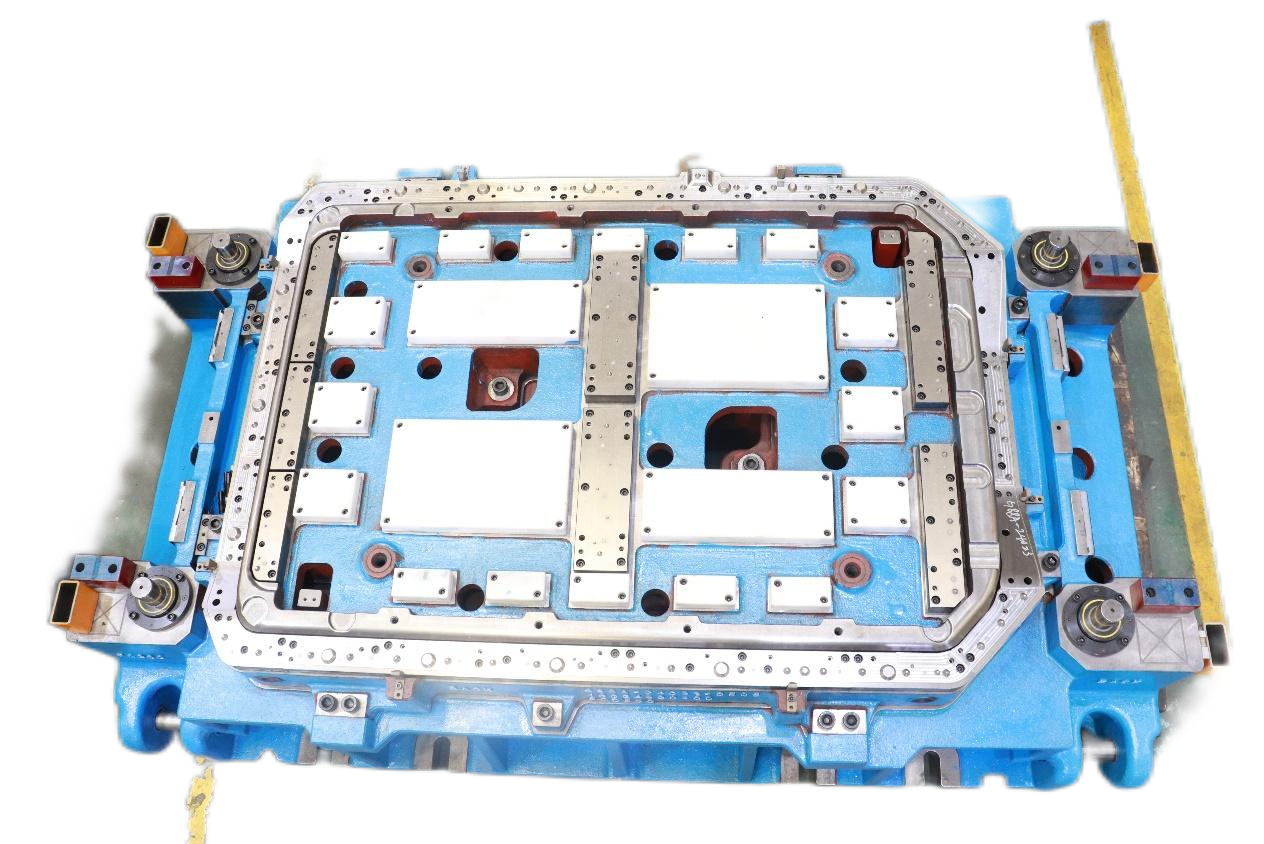
Tooling and DFM Roots
Tooling knowledge, manufacturability review, die and fixture thinking, tryout feedback, and launch handoff support help shape practical manufacturing paths.
Global Footprint
China anchors Lucky Harvest's tooling, engineering coordination, and precision metal manufacturing depth for global programs, connecting drawings, requirements, process planning, quality feedback, and regional handoff needs.
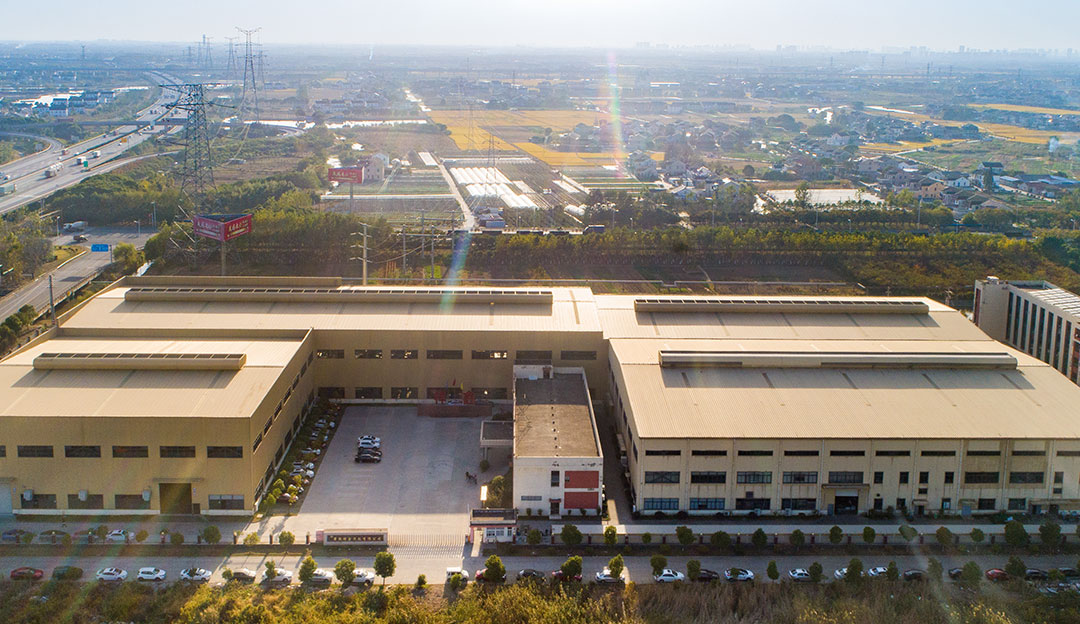
Manufacturing Base
Lucky Harvest's China base brings together tooling knowledge, manufacturability review, process planning, precision metal manufacturing experience, and production-readiness support. For U.S. teams, this creates a practical way to review the manufacturing depth behind the broader Lucky Harvest support path.
Technical Foundation
This depth connects drawings, requirements, tooling assumptions, process planning, sample feedback, and launch needs across the broader Lucky Harvest footprint.
Tooling knowledge, manufacturability review, die and fixture thinking, tryout feedback, and launch handoff support help shape practical manufacturing paths.
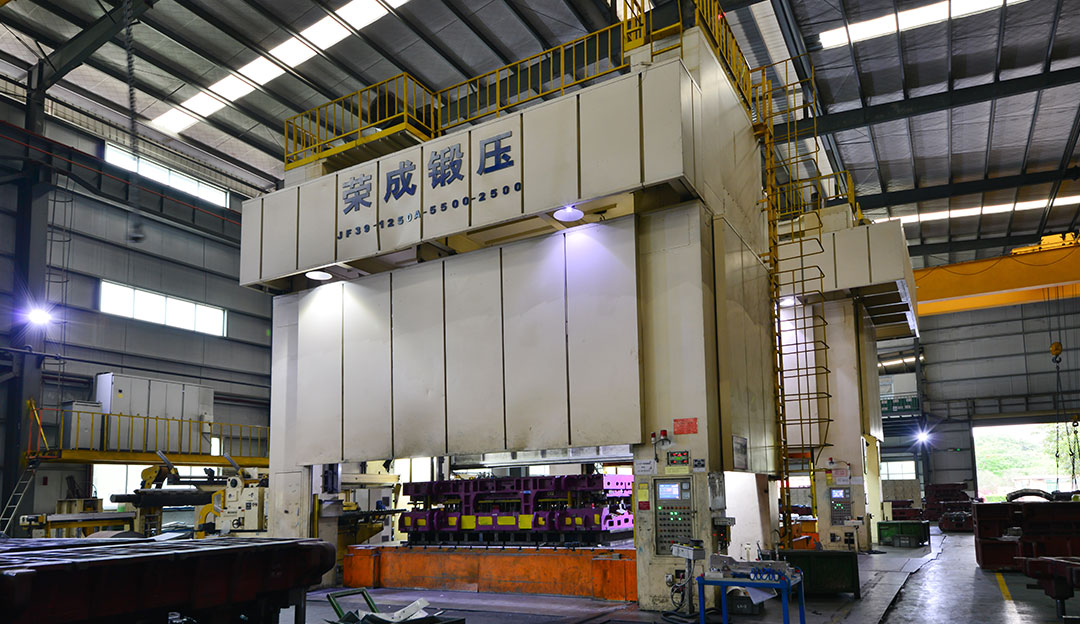
Precision metal manufacturing experience supports formed, stamped, welded, sheet-metal, enclosure, and assembly-layer programs, with drawings and specifications guiding the production path.
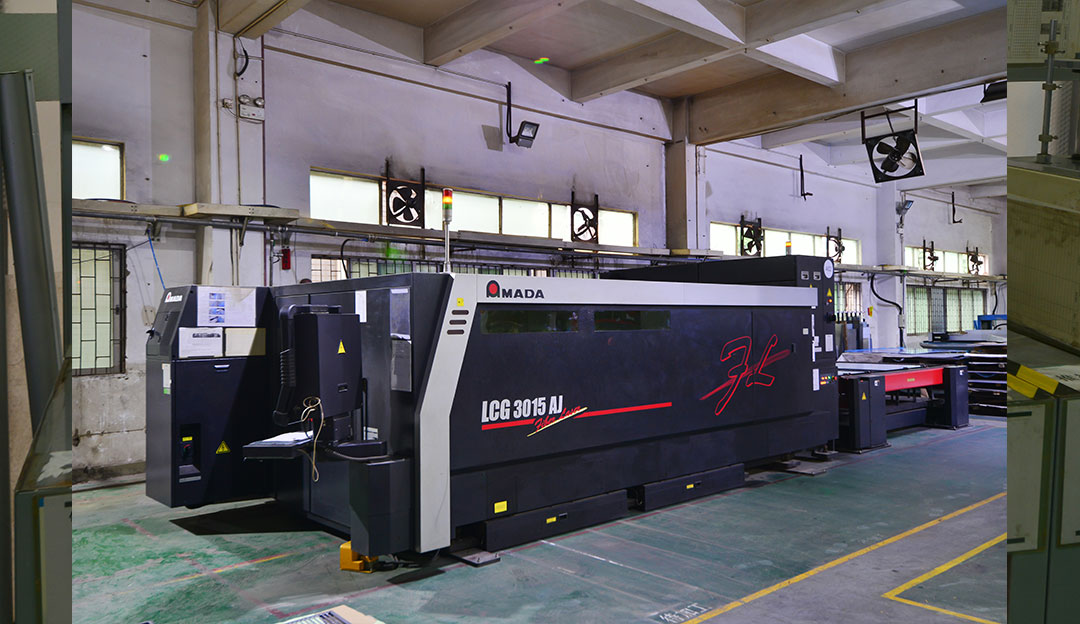
Engineering coordination connects drawings, process route, tooling assumptions, fixtures, samples, and production-readiness questions into one review path.
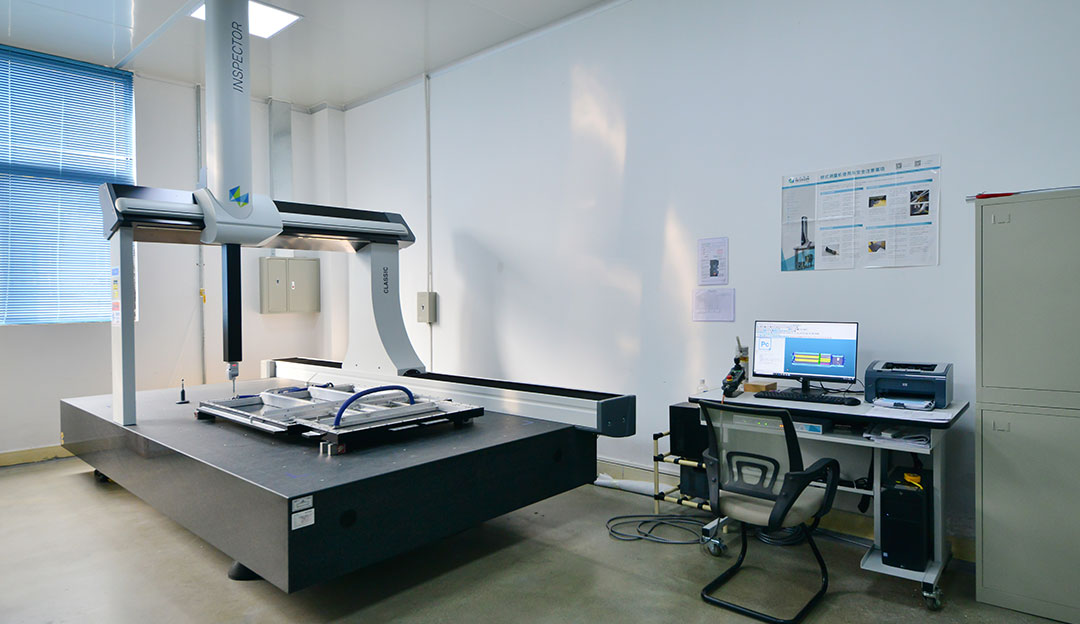
Inspection planning, dimensional review, sample feedback, and production follow-up help teams refine the manufacturing path as program needs become clearer.
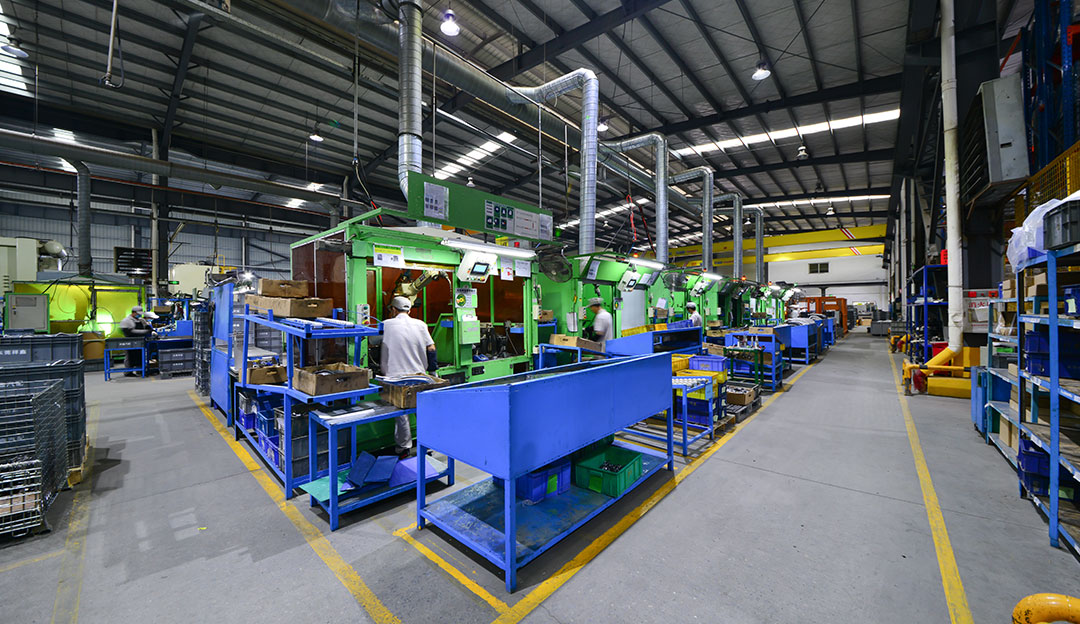
The same manufacturing base supports review across automotive, electrification, energy storage, digital infrastructure, and industrial hardware programs.
Connected Manufacturing System
China should be understood as part of a connected manufacturing system rather than a standalone promise. The drawing package points the conversation toward the most relevant capability path.
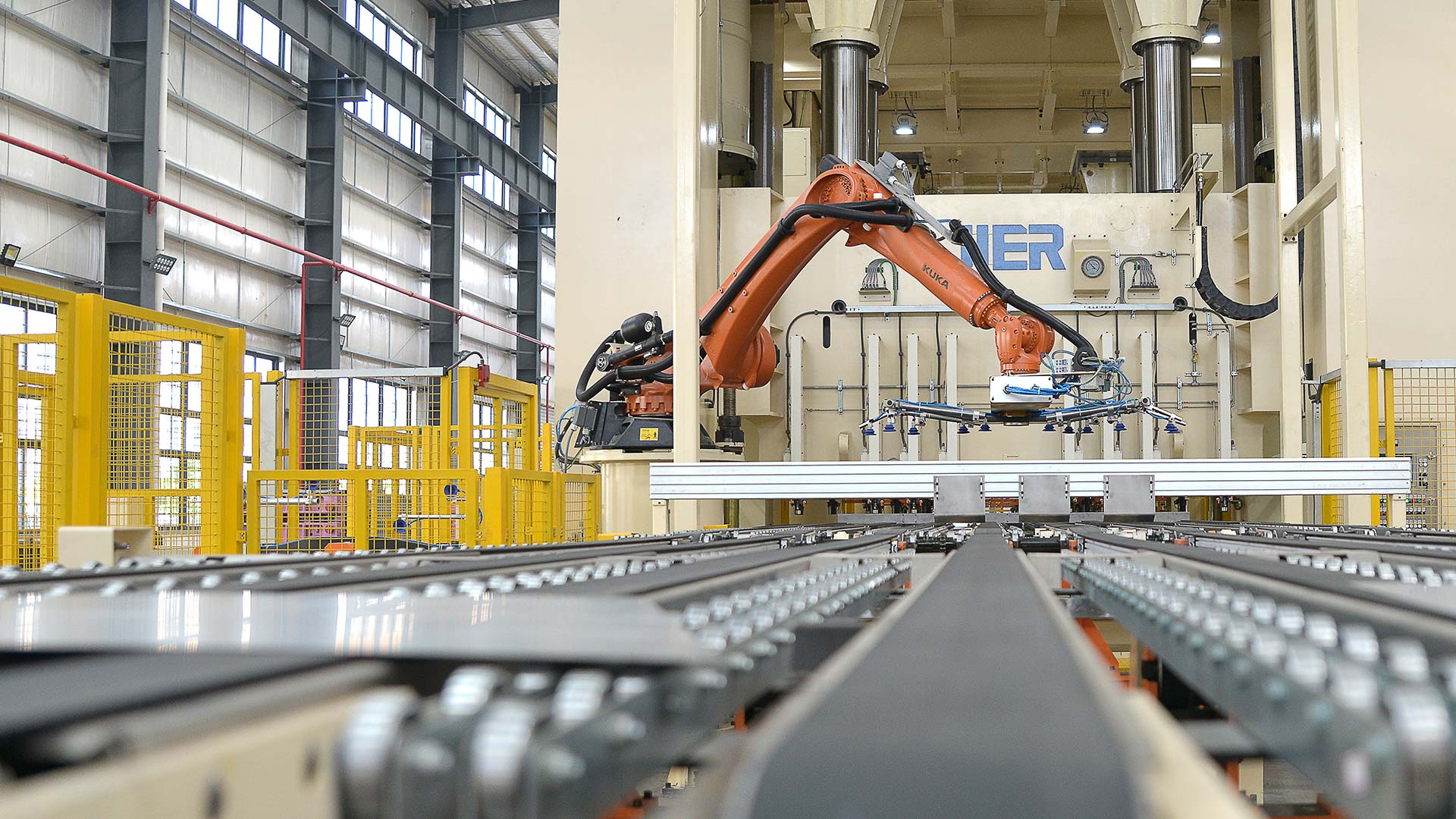
RFQ review, manufacturability discussion, route planning, sample feedback, and launch preparation help clarify production readiness.
View Industrialization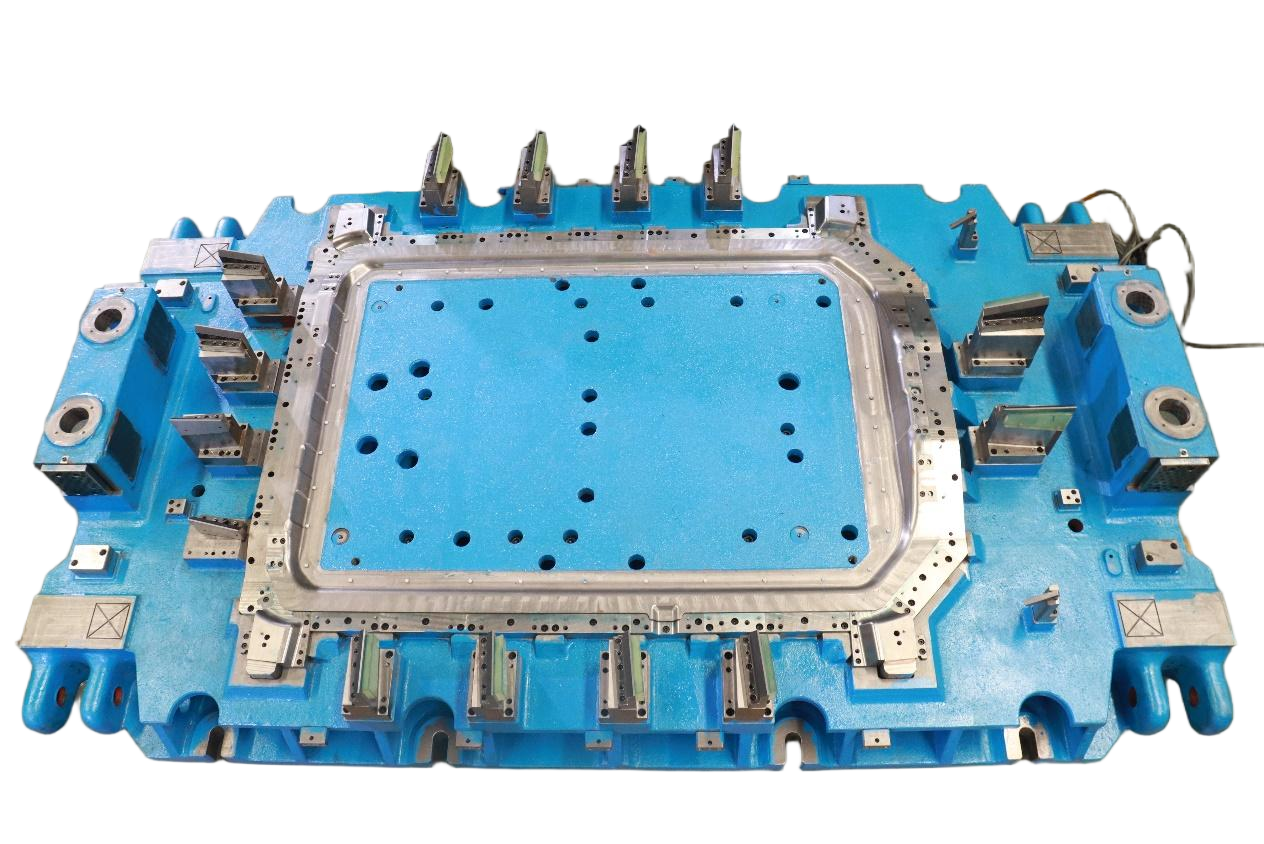
In-house tooling knowledge supports DFM, tooling approach, die and fixture planning, tryout feedback, machining support, and launch handoff.
View Tooling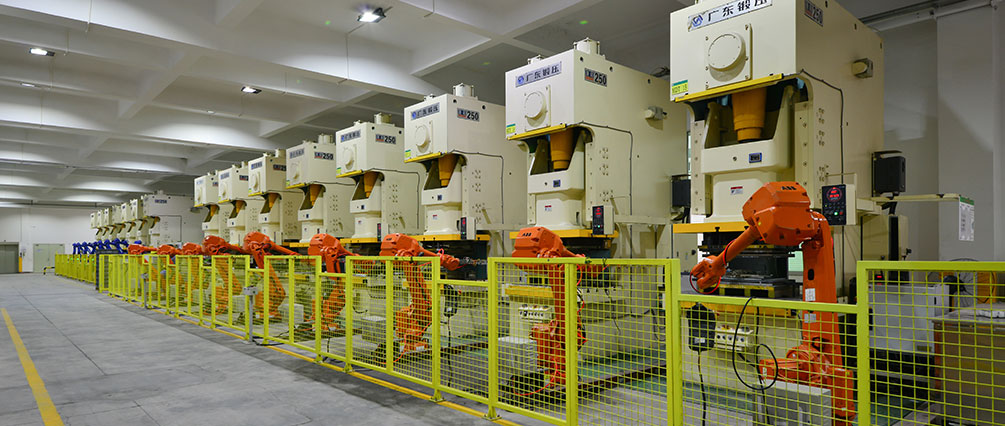
Stamped and formed parts depend on geometry, material behavior, tooling assumptions, handling needs, and production expectations working together.
View Stamping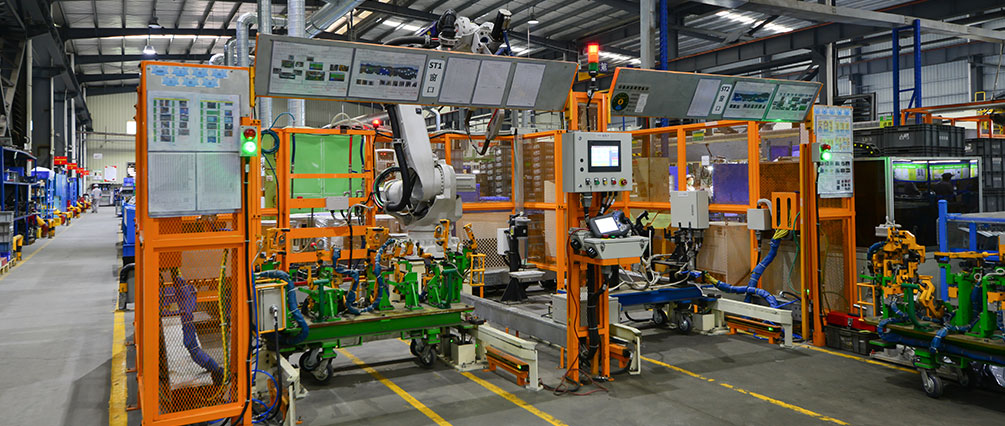
Joining and assembly planning can connect fixtures, interfaces, subassemblies, inspection expectations, and production follow-up.
View Assembly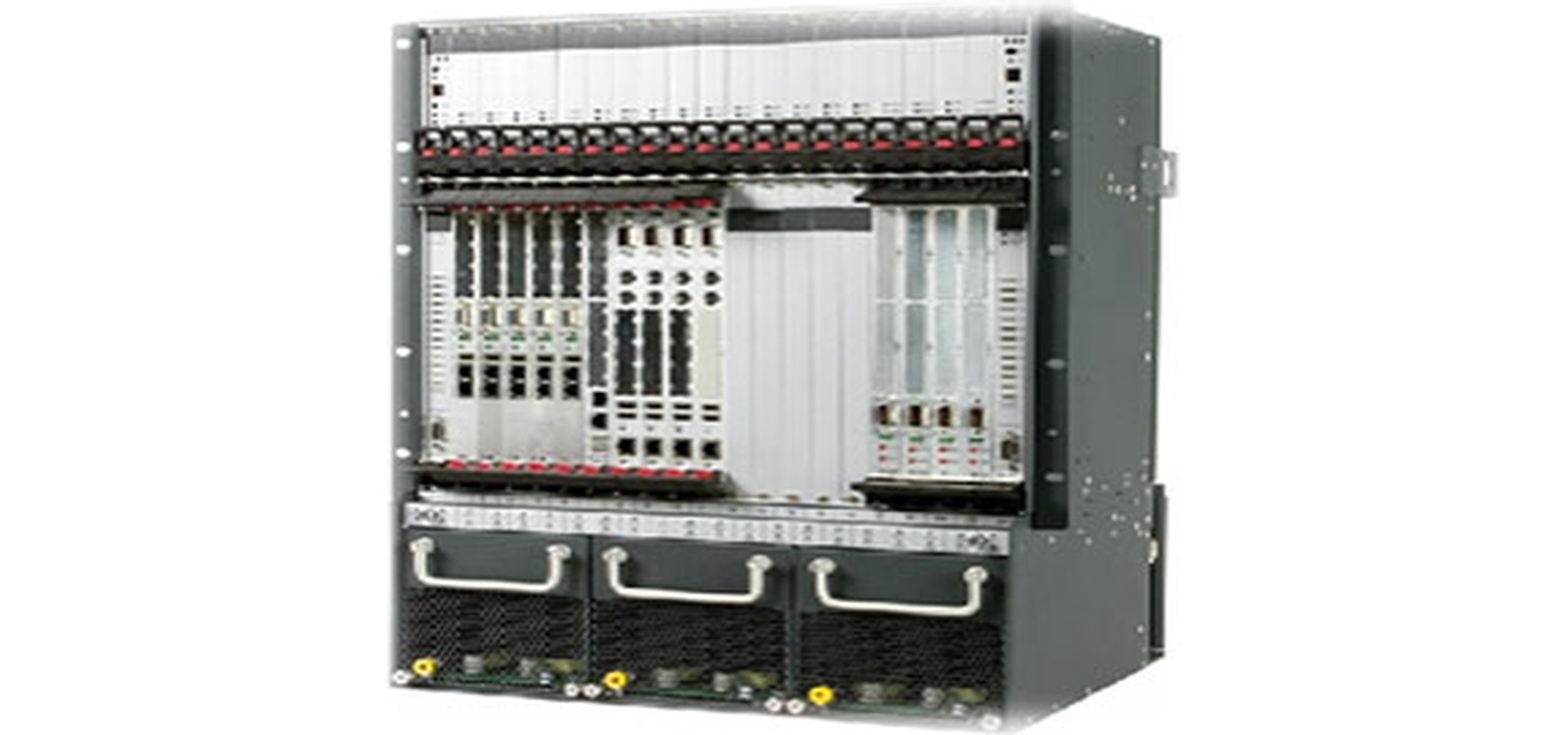
Sheet-metal and enclosure programs bring forming, bending, machining, assembly, finishing, and repeatability needs into one manufacturing path.
View Sheet MetalQuality and validation planning aligns inspection planning, dimensional checks, material or process review, and production feedback.
View QualityIndustry Alignment
China manufacturing and engineering depth supports priority markets where product family, drawings, application context, quality requirements, timing, and regional needs shape the manufacturing path.
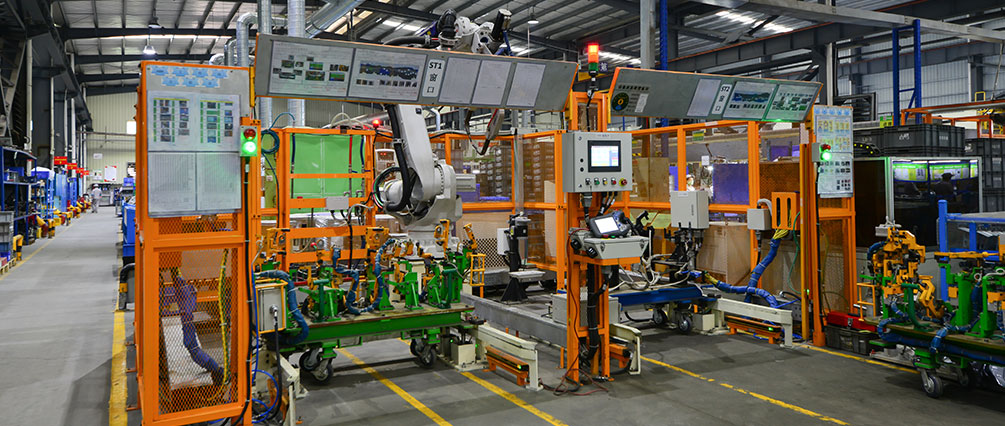
Automotive programs may involve structural parts, stamped and formed components, welded assemblies, seating structures, battery-related structures, and tooling-led launch questions.
View Automotive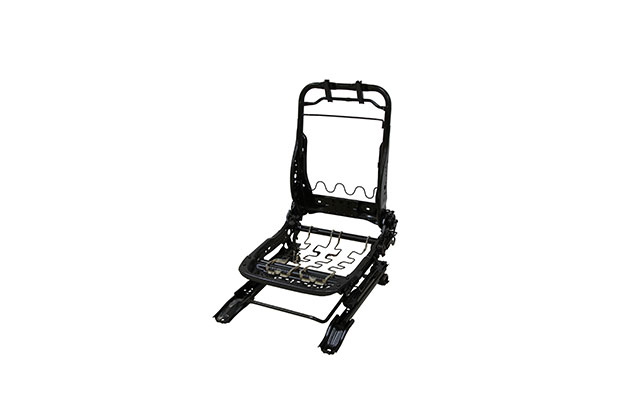
A parts-system view helps connect component families with tooling, stamping, forming, joining, assembly, and validation questions.
View Parts Systems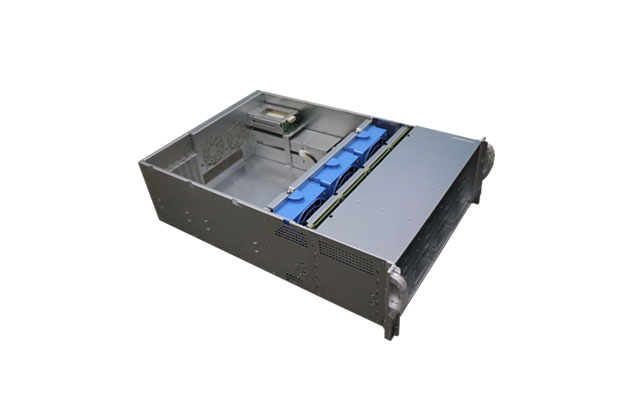
Battery enclosures, trays, covers, cooling-adjacent structures, busbar-related components, and cabinet hardware fit mechanical and assembly-layer manufacturing needs.
View Energy
Server cabinets, chassis, communication enclosures, frames, panels, rails, brackets, and related sheet-metal hardware depend on repeatable enclosure manufacturing discipline.
View InfrastructureGlobal Program Routing
U.S. teams can start with the U.S. contact or RFQ path and share the product family, drawings, target market, timing, and regional supply needs. The team can help route the discussion toward China manufacturing depth, Mexico regional support, or a broader Lucky Harvest support path depending on requirements and facility capability.
Review Path
Share drawings, specifications, product family, target market, timing, regional needs, and known quality expectations.
Review component geometry, material, process route, tooling assumptions, inspection needs, and the appropriate support path.
Connect the program to industrialization, tooling, stamping, welding, sheet metal, enclosure, assembly, or validation discussions as needed.
Use sample expectations, dimensional feedback, issue tracking, and engineering follow-up to clarify the path before production handoff.
Align scope, quality expectations, remaining open items, timing, and the appropriate manufacturing or regional coordination path.
Next Step
Share drawings, specifications, product family, target market, timing, and regional supply needs so Lucky Harvest USA can help route the right manufacturing discussion.