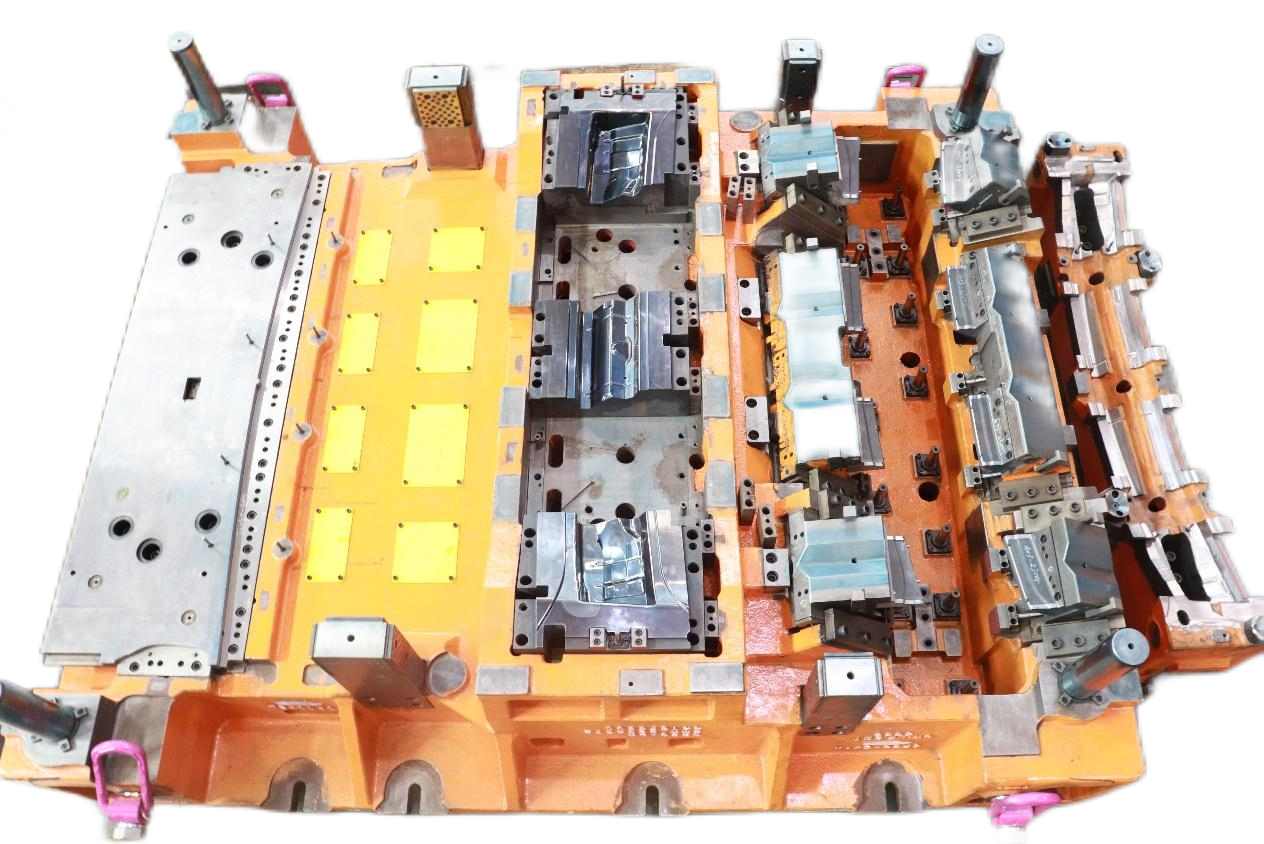
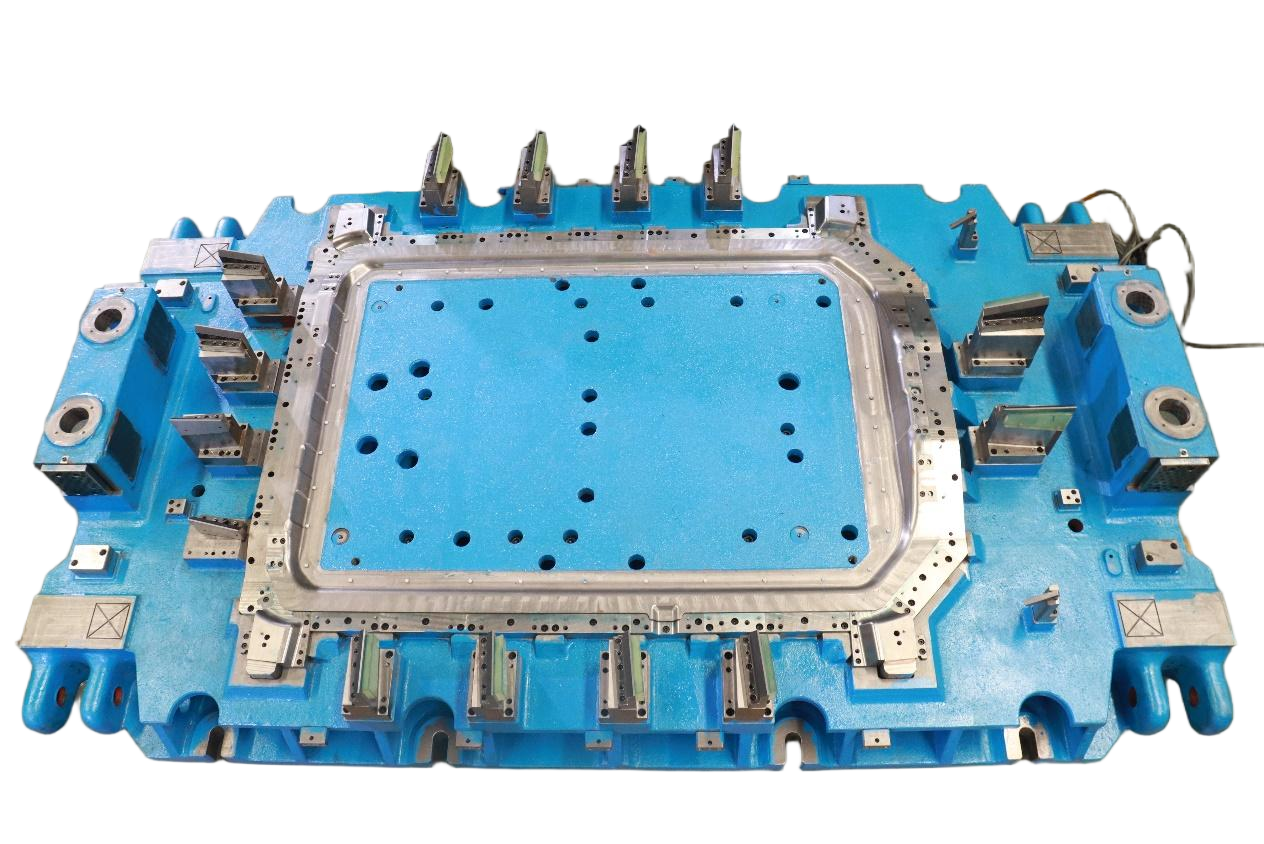
Progressive and Tandem Tooling
Align part geometry, material behavior, station planning, inspection needs, and production assumptions so progressive or tandem tooling paths stay connected to program requirements.
Tooling Ecosystem
From manufacturability review and tooling approach through design, tryout feedback, dimensional review, and launch handoff, Lucky Harvest supports tooling paths for stamped, formed, and assembled metal components.
Tooling Scope
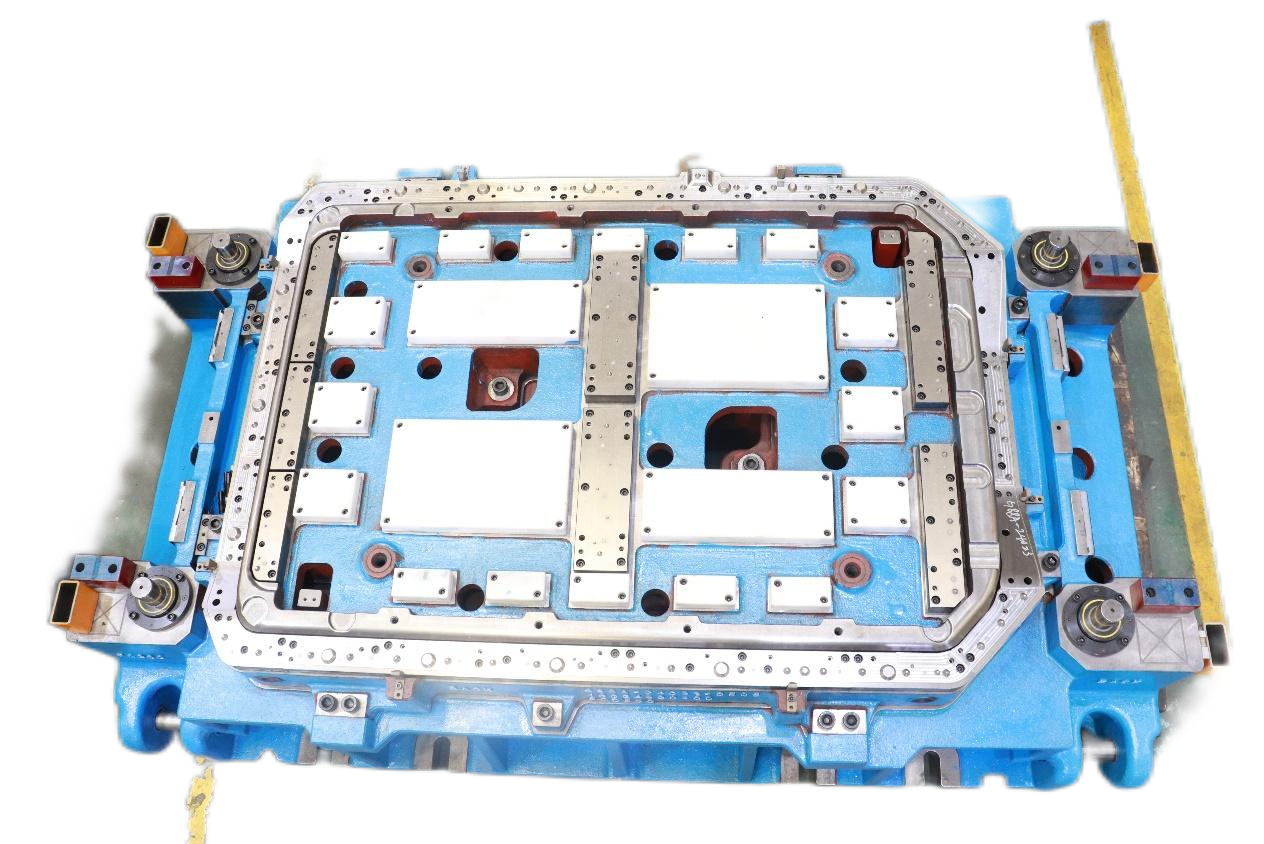
For stamped, formed, or assembled metal components, tooling work connects manufacturability questions with die or fixture strategy, tryout feedback, dimensional review, and launch handoff.
Align part geometry, material behavior, station planning, inspection needs, and production assumptions so progressive or tandem tooling paths stay connected to program requirements.
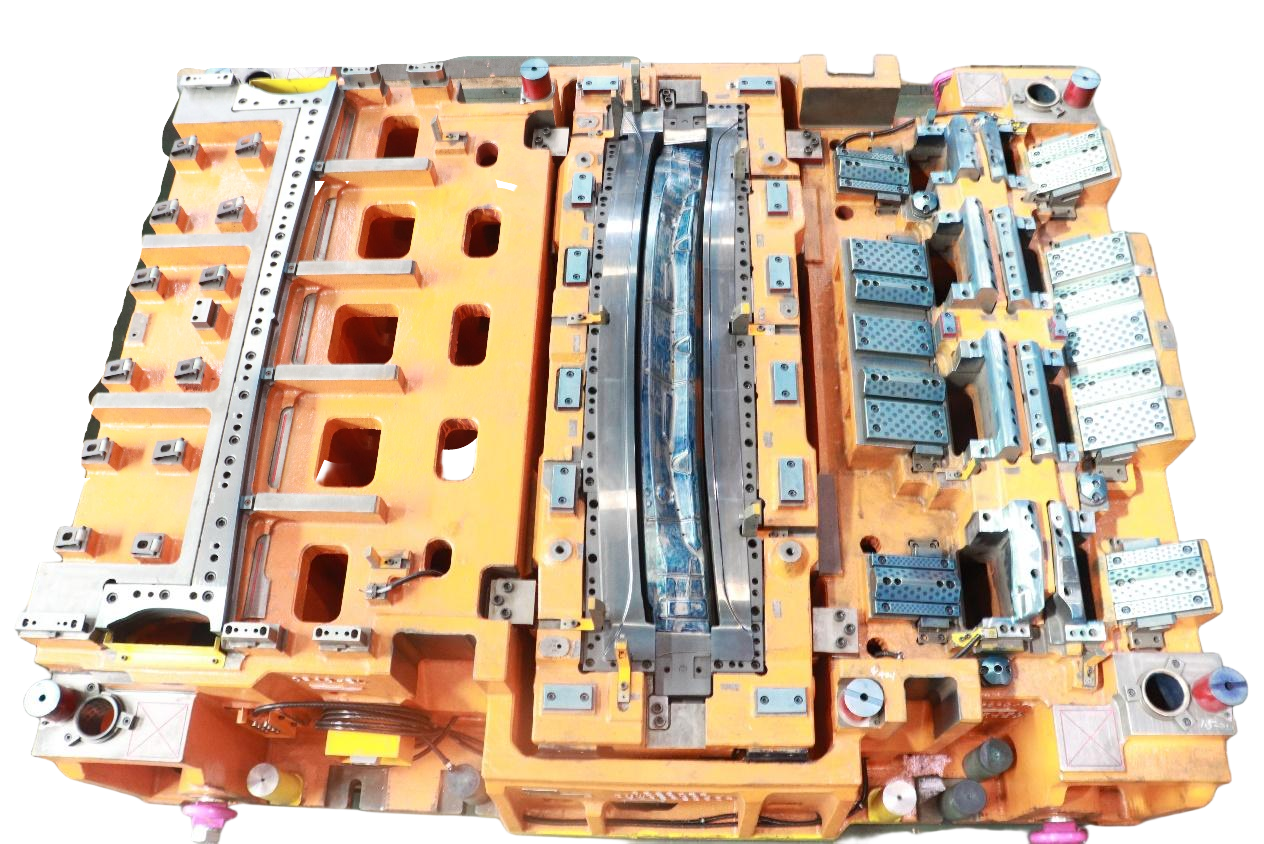
Plan tooling paths for formed and stamped parts where part handling, forming assumptions, checking needs, and repeatability have to work together.
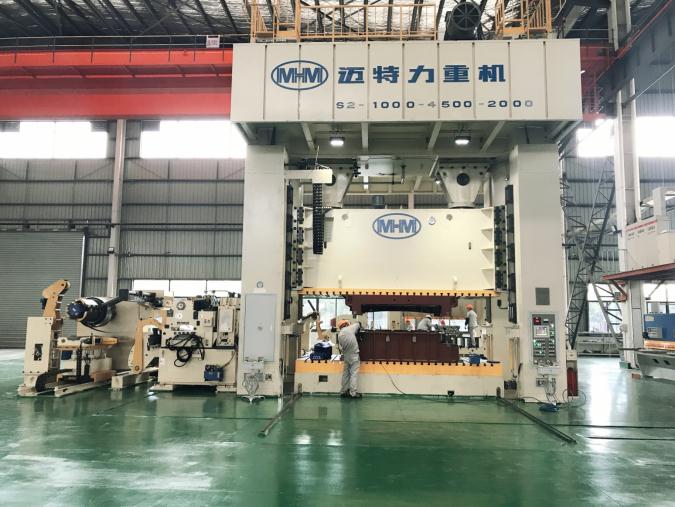
Coordinate fixture expectations, sample preparation, tryout feedback, dimensional review, and tooling adjustment loops before launch handoff.
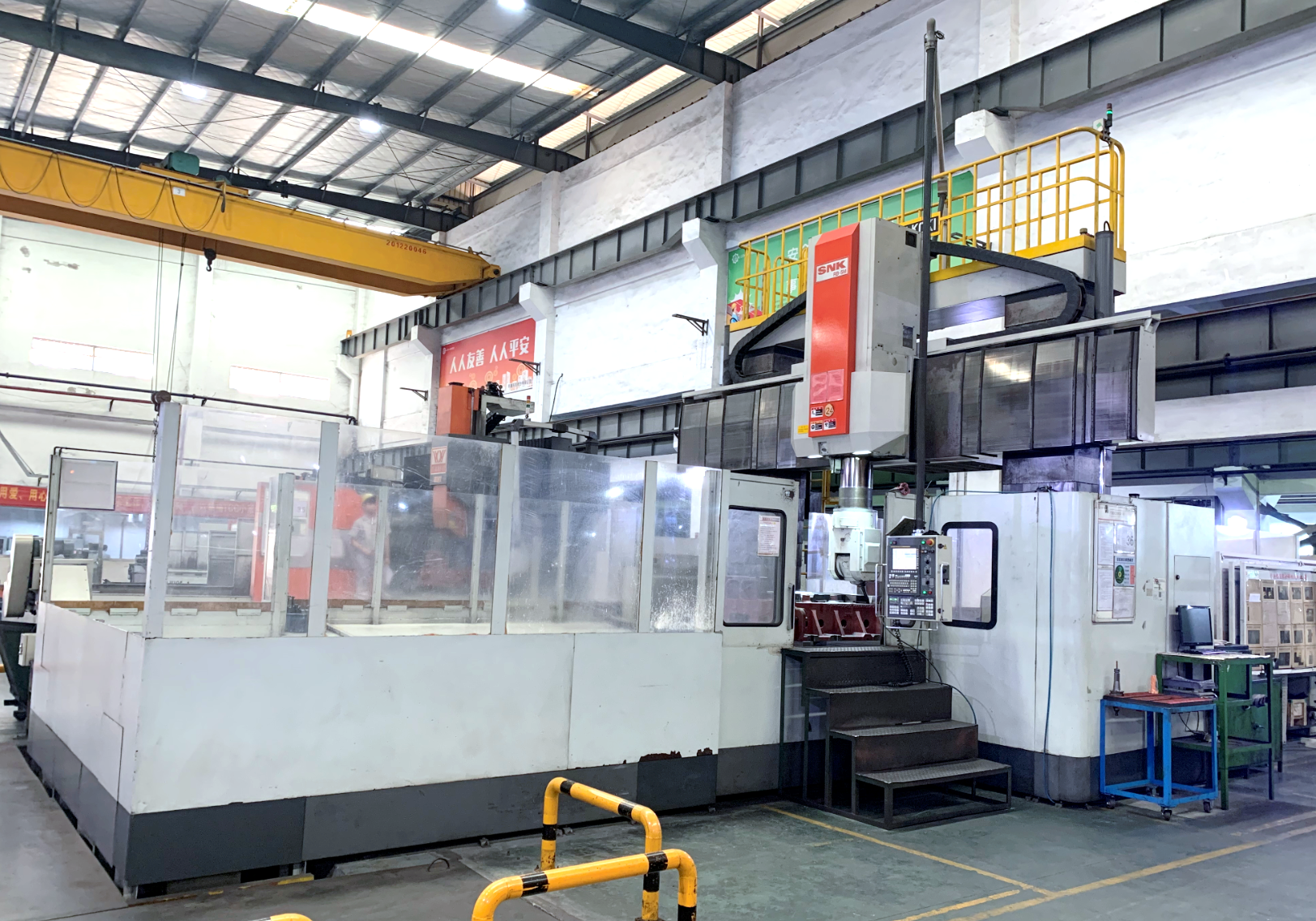
Coordinate tool-machining support, verify tooling assumptions, close open technical actions, and prepare the handoff into production follow-up.
Readiness Path
Review drawings, 3D data where available, materials, tolerances, CTQs, application needs, timing, and current tooling assumptions.
Assess DFM questions, forming or springback risks, tooling approach, checking needs, and open technical items before tooling commitments deepen.
Map die or fixture approach, machining coordination, sample needs, inspection checkpoints, and production handoff requirements.
Convert tryout results, sample review, dimensional checks, and issue tracking into defined tooling adjustment actions.
Close the tooling path into launch preparation with documentation, inspection expectations, and production follow-up needs aligned.
Connected Production
Tooling choices shape downstream manufacturing. The tooling path connects to stamping, welding, assembly, and quality validation instead of stopping at tool build.
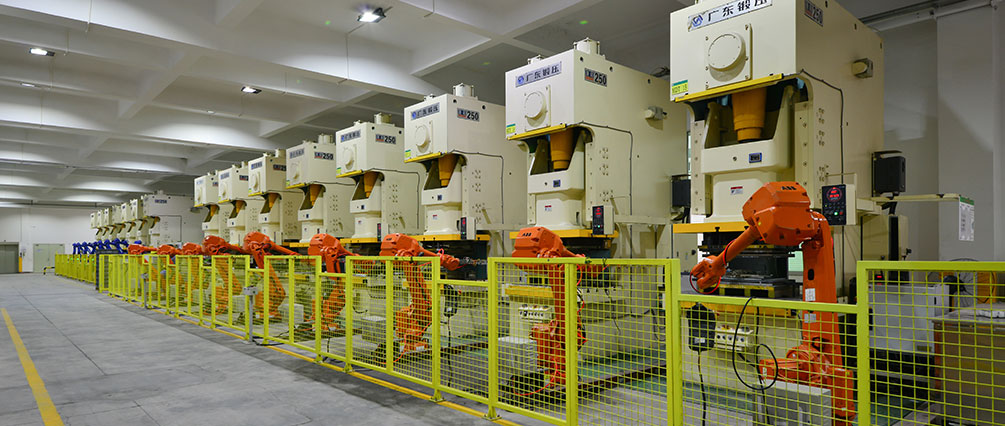
Tooling approach and formability questions are aligned with the intended stamping or forming route for the component family.
View Stamping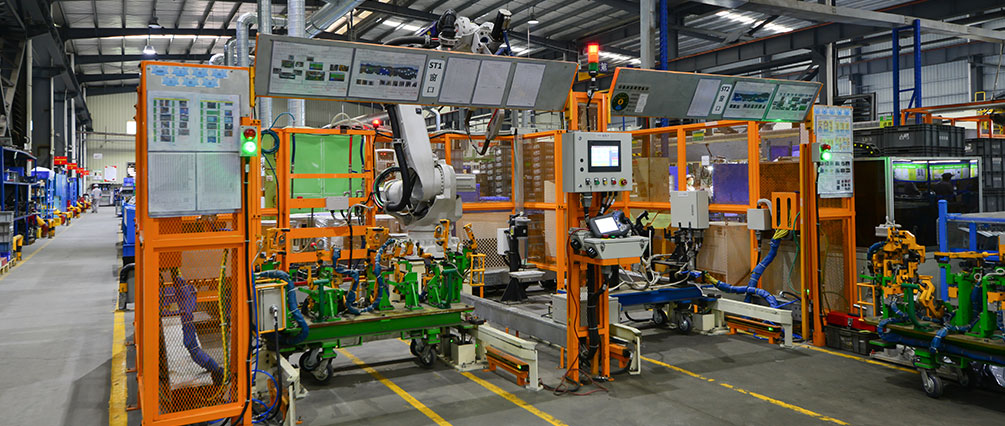
For multi-part structures, tooling and fixture planning can connect into joining, assembly sequence, and production follow-up.
View Assembly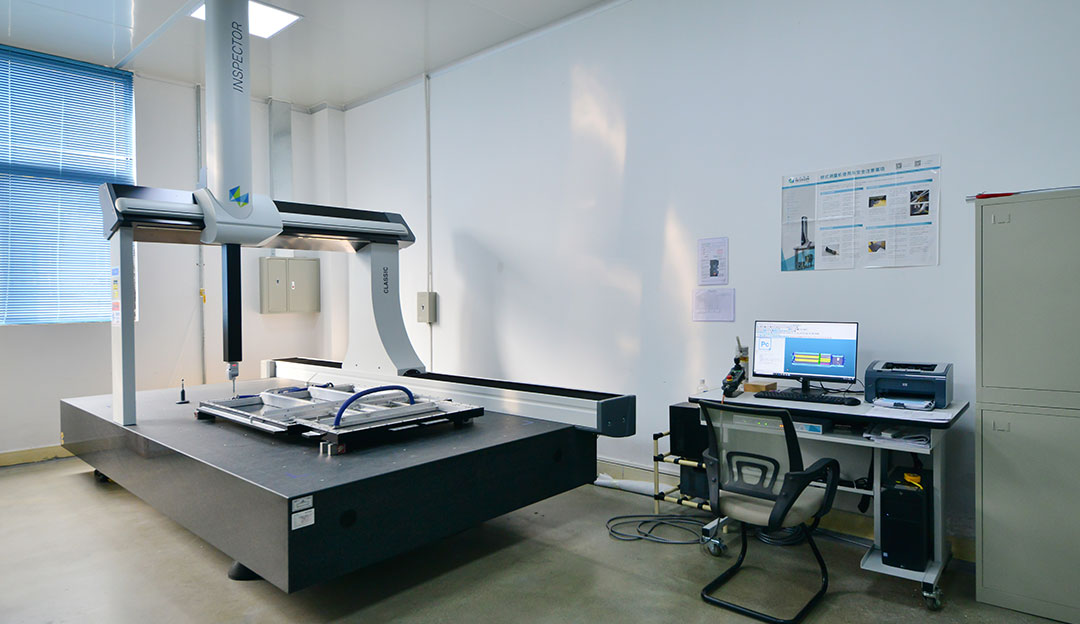
Inspection planning, dimensional checkpoints, and sample feedback keep tooling output tracking toward requirements.
View QualityTooling Situations
Useful when your team needs a manufacturable path for drawings, materials, tolerances, and launch expectations.
Helpful when tooling assumptions, part intent, and production needs have to be rechecked before handoff.
Relevant for selected steel and aluminum component programs where geometry, forming behavior, fixture thinking, and dimensional review matter.
Supports the move from sample feedback and tooling adjustment into launch handoff and production follow-up.
Inspection and Issue Closure
Inspection planning, dimensional checkpoints, sample review, and feedback loops help tooling and production teams refine the manufacturing path before launch. Validation details stay tied to the part, material, application, and customer requirements.
Next Step
Share drawings, materials, tolerance expectations, timing, application context, and current tooling assumptions so Lucky Harvest can review the appropriate tooling and launch-readiness path.