
Sheet Metal Fabrication
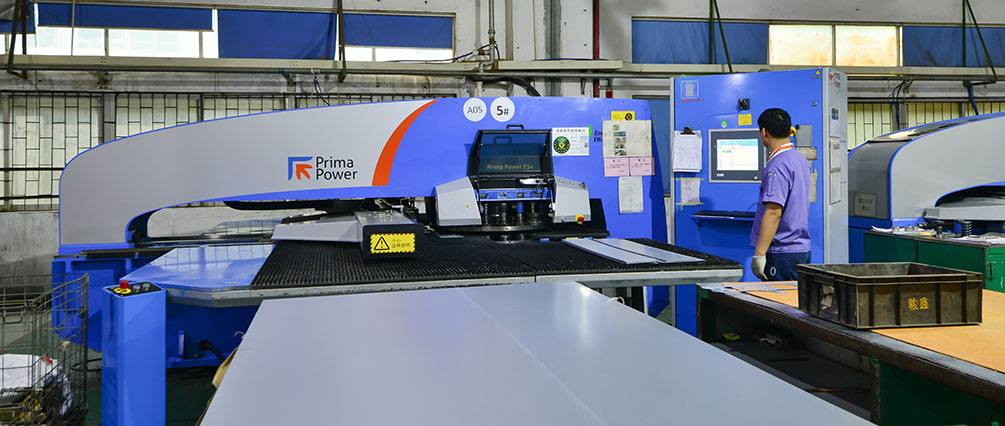
Cutting, punching, bending, and forming establish the base geometry for frames, panels, rails, housings, and subrack structures.
Digital Infrastructure / Communication Cabinets & Subracks
Sheet-metal structures, functional subracks, plug boxes, equipment housings, rails, brackets, panels, and cabinet hardware for repeatable communication and infrastructure enclosure programs.
Manufacturing Strength
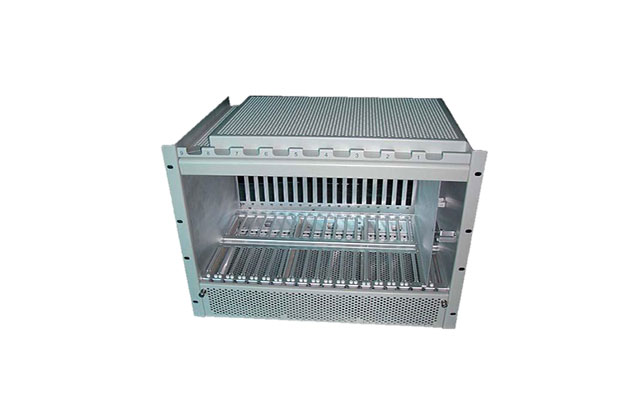
Communication cabinets and subracks live or die by fit: panel alignment, rail position, mounting interfaces, finish control, and assembly repeatability. Cabinet and subrack hardware brings together bending, forming, welding, hardware integration, finish control, and inspection. The value is keeping geometry, interfaces, and assembly behavior stable across repeat builds.
Cutting, punching, bending, and forming establish the base geometry for frames, panels, rails, housings, and subrack structures.
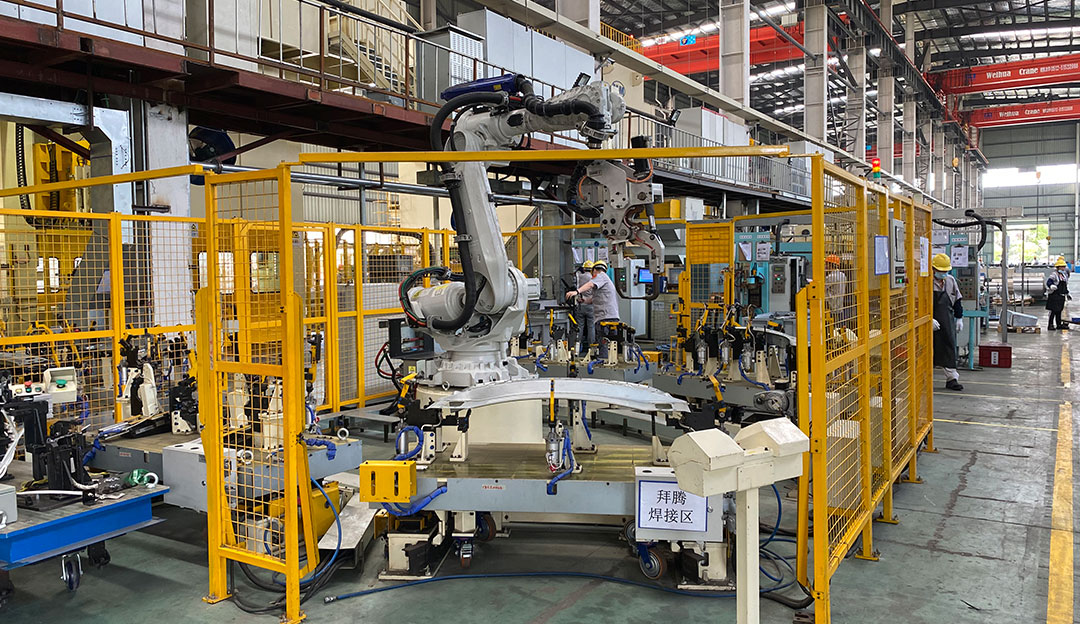
Welded frames, brackets, supports, and cabinet subassemblies depend on fixture discipline, clean interfaces, and repeatable assembly planning.
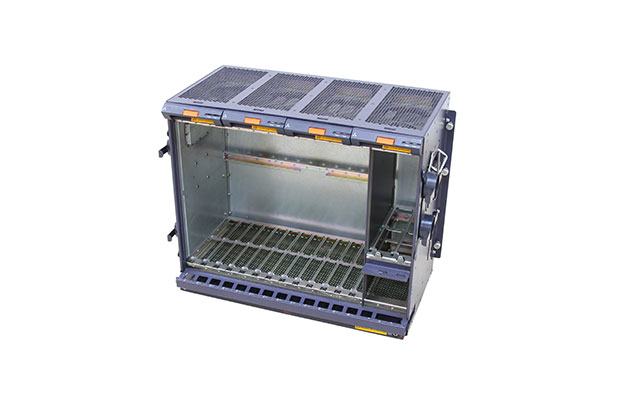
Panels, rails, doors, housings, and mounting points need consistent fit, controlled surfaces, and predictable hardware alignment.
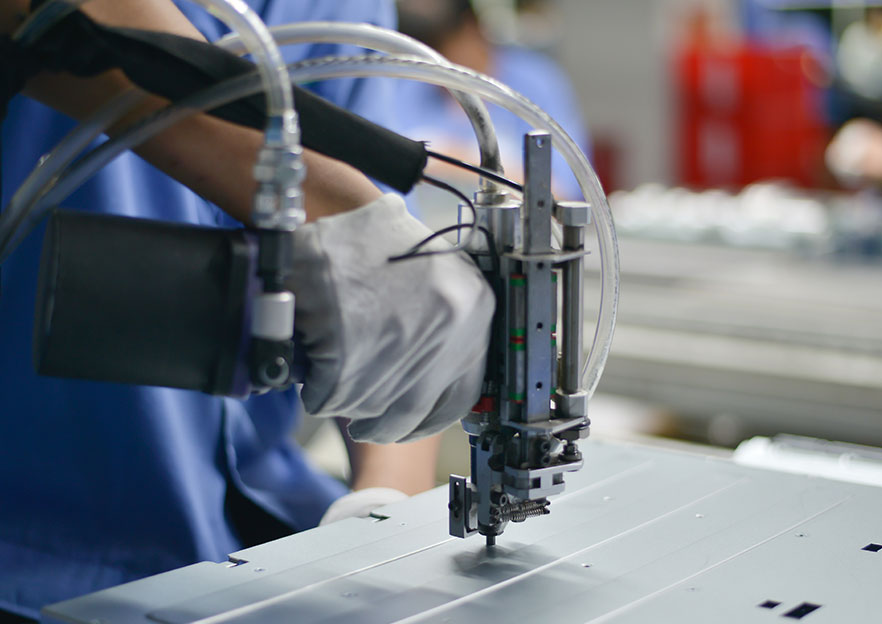
Dimensional checks, interface review, finish review, and production feedback help keep recurring enclosure hardware stable from build to build.
What This Includes
Communication and infrastructure platforms rely on enclosure hardware that protects equipment, holds alignment, supports service access, and keeps recurring assemblies consistent.
Cabinet structures, frames, doors, panels, supports, and related sheet-metal enclosure elements.
Subrack and plug-box structures that require repeatable fit, mounting interfaces, and controlled assembly behavior.
Housings and box-style structures for communication, control, and infrastructure equipment applications.
Recurring mechanical hardware that connects enclosure geometry, mounting points, cable routing, and assembly needs.
Typical RFQ Inputs
Share available 2D drawings, 3D files, enclosure layout, mounting geometry, and key interface points.
Identify sheet metal material, thickness, structural expectations, and any part-family variations.
Note appearance, coating, surface finish, corrosion, grounding, or handling requirements where relevant.
Include rails, brackets, fasteners, cable-management needs, welding, joining, and assembly assumptions.
Provide target timing, estimated volume, inspection expectations, documentation needs, and qualification requirements.
Next Step
Send drawings, materials, finish requirements, hardware assumptions, timing, and quality expectations so the team can review the right manufacturing path.